Utility bills rarely stay the same. One summer heatwave or a colder-than-usual winter can suddenly push electricity or heating costs much higher than expected. In many homes, the problem isn’t just energy prices, it’s energy loss.
Older insulation, inefficient appliances, and poor air sealing allow valuable energy to escape every day. That means heating and cooling systems must work harder just to maintain comfortable indoor temperatures.
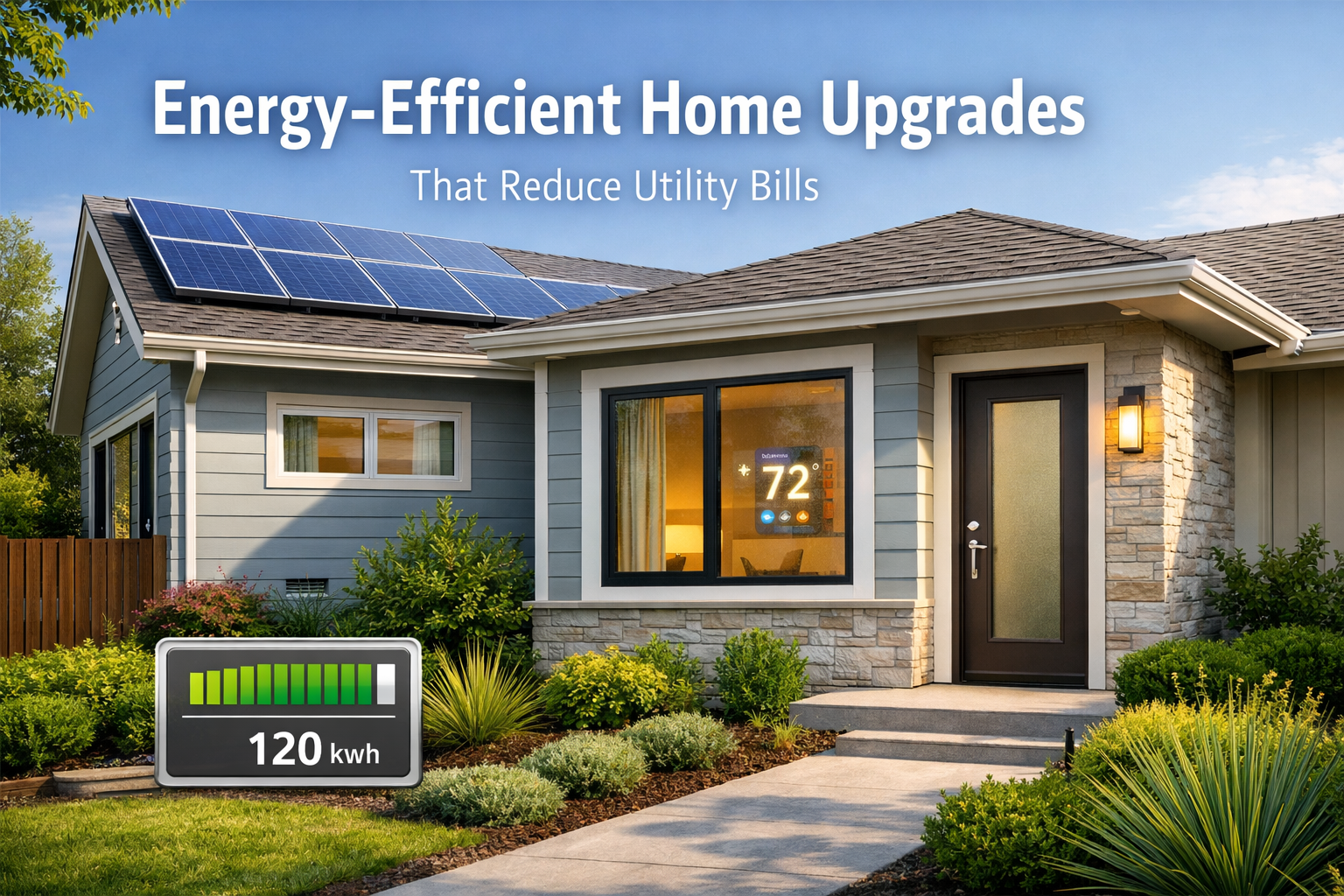
That’s where smart energy efficient home upgrades come in. Instead of simply consuming more energy, these improvements help homes use energy more intelligently. The result is lower monthly bills, more consistent indoor comfort, and a home that operates more sustainably over time.
Many homeowners assume energy upgrades require massive renovations. In reality, some of the most effective improvements are surprisingly simple and affordable
What Are Energy Efficient Home Upgrades?
Energy efficient home upgrades are improvements that reduce the amount of electricity, gas, or fuel a home needs to operate. These upgrades focus on reducing energy waste through better insulation, efficient appliances, smart technology, and design changes that improve temperature control.
The goal isn’t just saving energy, it’s maintaining the same level of comfort while using fewer resources.
1. Replace Old Lighting with LED Technology
Lighting might seem like a small contributor to electricity bills, but in many homes it runs for several hours every day.
Traditional incandescent bulbs convert much of their electricity into heat rather than light. LED lighting works far more efficiently by converting most energy directly into illumination.
Why LED Lighting Makes a Difference
- Uses significantly less electricity
- Produces very little heat
- Lasts far longer than traditional bulbs
- Reduces replacement and maintenance costs
In one home consultation I worked on for a homeowner renovating an older suburban property, we replaced around 40 incandescent bulbs with LEDs. Within two billing cycles, the homeowner noticed their electricity usage had dropped noticeably even before other upgrades were completed.
Sometimes the simplest upgrades create the quickest results.
2. Upgrade Insulation Where It Matters Most
Insulation is often invisible, which is why many homeowners forget about it. But it plays a critical role in energy efficiency.
When insulation is outdated or poorly installed, indoor air escapes through ceilings, walls, and floors. As a result, heating and air-conditioning systems must operate more frequently to keep indoor temperatures stable. Attic insulation alone can dramatically change how quickly a home heats up or cools down during extreme weather.
Key Areas That Often Need Insulation Improvements
- Attics
- Exterior walls
- Crawl spaces
- Basements
- Garage ceilings
During one home assessment I remember in a humid coastal climate, the homeowner complained their air conditioning ran constantly during summer. After inspecting the attic, we found the insulation layer was extremely thin. Once upgraded, the cooling system ran far less frequently, and indoor temperatures stabilized much faster.
Proper insulation acts like a thermal shield that protects your home from outdoor temperature swings.
3. Upgrade to Energy-Efficient Windows
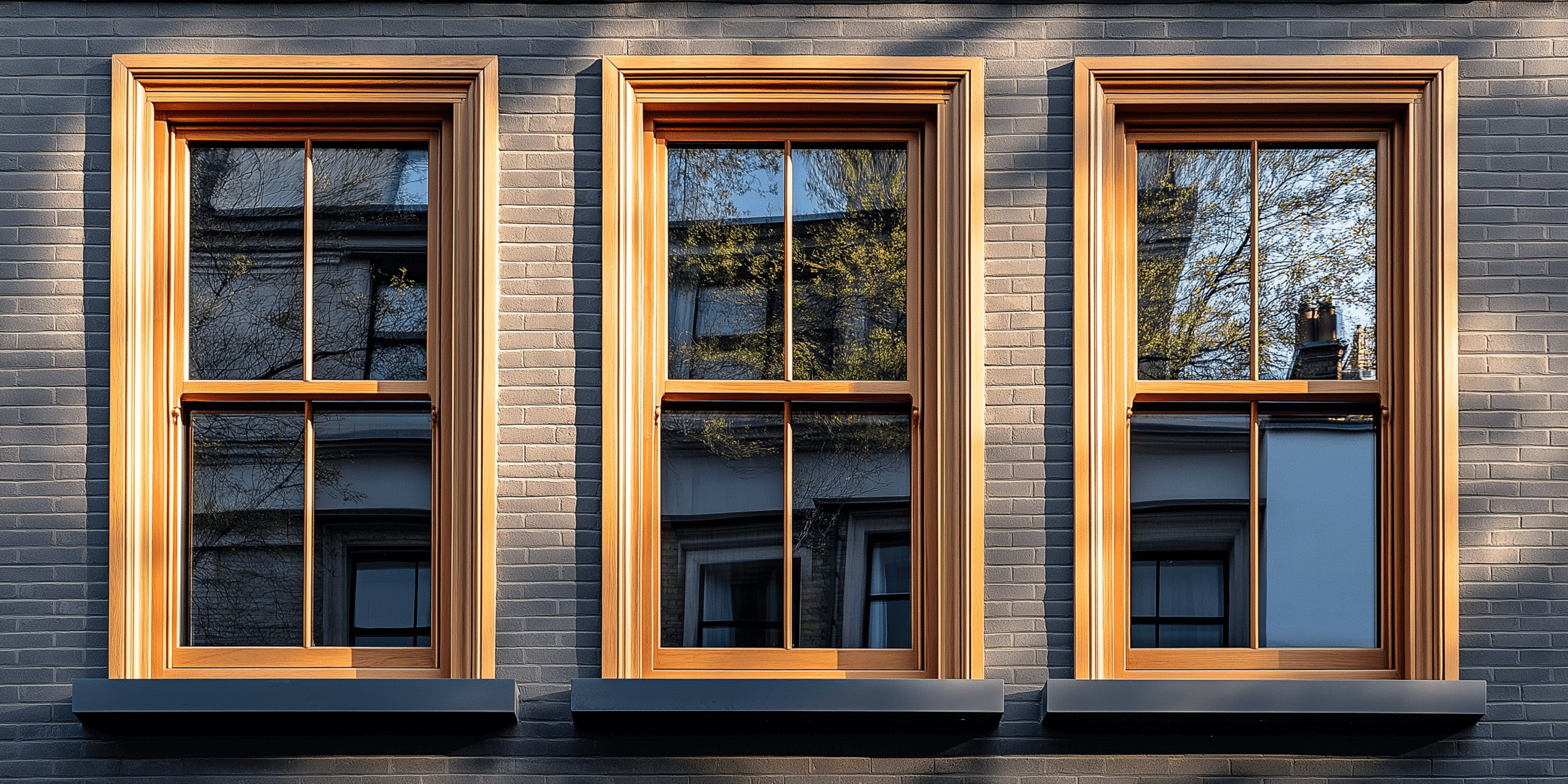
Windows are another common source of energy loss. Older single-pane windows allow heat to transfer easily between indoor and outdoor environments.
Modern insulated windows are built to slow down temperature exchange between indoor and outdoor environments, helping rooms stay warmer in winter and cooler during hot weather.
Homeowners often notice the biggest difference in rooms that receive strong afternoon sunlight, where insulated windows help prevent indoor temperatures from rising quickly.
Features of Energy Efficient Windows
- Double or triple-pane glass
- Low-emissivity (Low-E) coatings
- Gas-filled insulation layers between panes
- Improved window seals
A homeowner I worked with during a renovation project noticed that the rooms with upgraded windows stayed cooler during summer afternoons compared to the rest of the house. That difference alone convinced them to replace the remaining windows the following year.
4. Install a Smart Thermostat
Heating and cooling systems often run longer than necessary simply because thermostats are set to one temperature throughout the day.
Smart thermostats solve this by adjusting temperatures automatically.
What Smart Thermostats Can Do
- Adjust temperatures based on daily schedules
- Learn household patterns over time
- Allow remote adjustments through mobile apps
- Reduce unnecessary heating or cooling when no one is home
One homeowner I spoke with installed a smart thermostat mainly out of curiosity. Within a few months, they realized their heating system no longer ran all night unnecessarily. That simple adjustment alone reduced their winter energy bill noticeably.
5. Replace Outdated Appliances
Appliances built more than a decade ago often consume far more energy than modern alternatives.
When replacing appliances, look for models that meet modern efficiency standards.
Appliances That Impact Energy Usage Most
- Refrigerators
- Washing machines
- Dishwashers
- Dryers
- Air conditioning units
Modern energy-efficient appliances are designed to deliver the same performance while consuming far less electricity.
6. Seal Air Leaks Around the Home
Air leaks are one of the most overlooked sources of energy loss.
Tiny gaps around windows, doors, and wall penetrations allow conditioned air to escape continuously.
Common Places Where Air Leaks Occur
- Window frames
- Door thresholds
- Electrical outlets on exterior walls
- Attic access panels
- Plumbing openings
During a home improvement project I once observed, a homeowner sealed several small gaps around windows and attic access points. The improvement seemed minor, but the house maintained temperature far more consistently afterward.
Small leaks add up over time.
7. Install Solar Panels
Solar energy systems allow homes to generate electricity directly from sunlight.
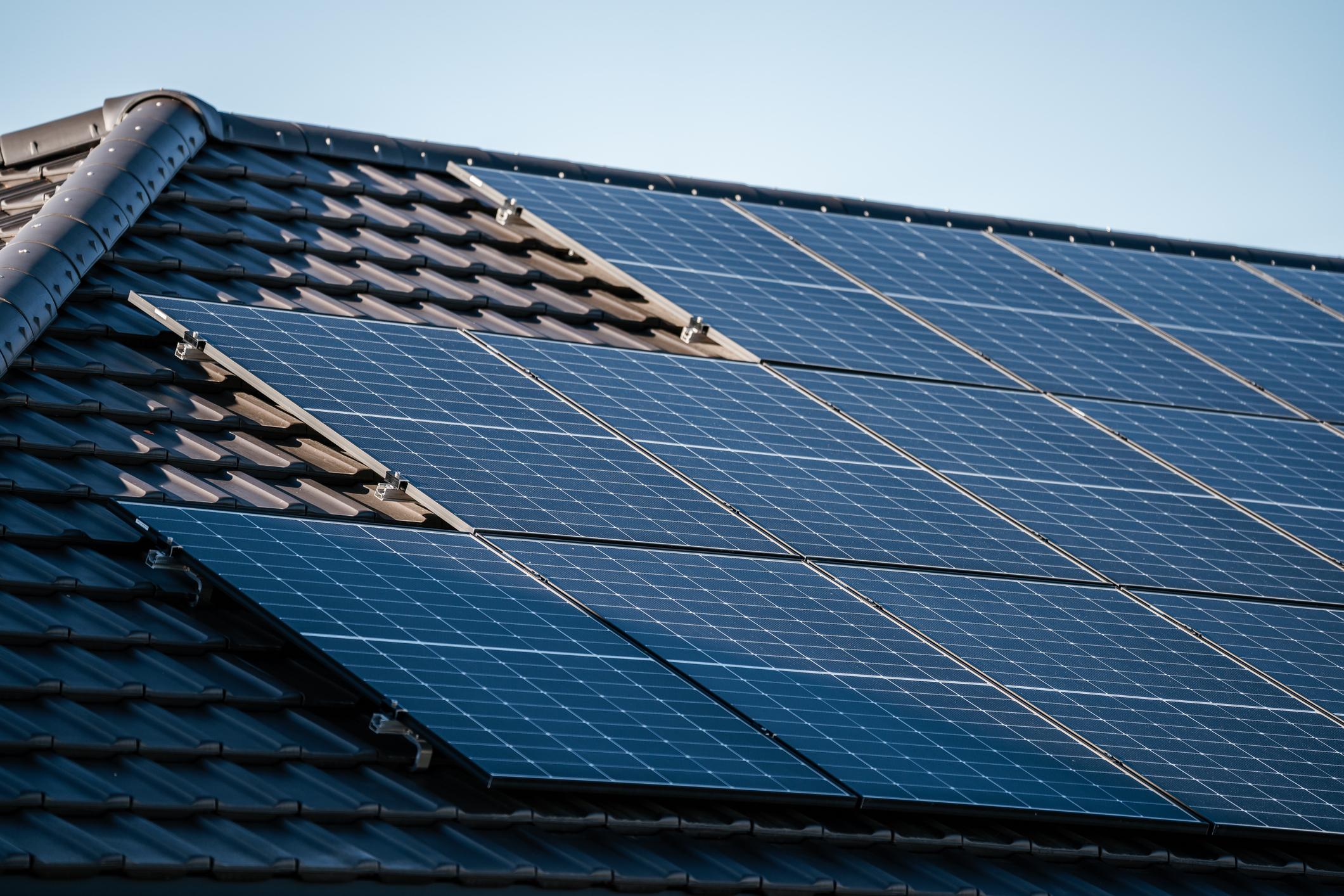
Instead of relying entirely on utility providers, solar panels produce renewable energy that powers household systems.
Advantages of Solar Energy
- Reduced electricity bills
- Lower carbon footprint
- Increased property value in many markets
- Reduced reliance on external energy sources
One homeowner I spoke with installed solar panels primarily to offset rising electricity costs. A year later, they reported that their summer electricity bills had dropped dramatically, even during peak air-conditioning season.
8. Upgrade to High-Efficiency HVAC Systems
Heating and cooling typically consume more energy than any other system inside a home. When HVAC equipment gets older, it usually runs longer cycles and uses more electricity just to maintain the same indoor temperature.
Many homeowners don’t realize how much efficiency improves with newer systems until they replace an aging unit. In many older homes built before modern efficiency standards, HVAC systems were sized differently and often lack the advanced controls found in newer units. Upgrading them can noticeably reduce monthly energy use.
Modern HVAC Improvements Include
- Variable-speed compressors
- Energy-efficient heat pumps
- Zoned heating and cooling
- Smart system controls
Upgrading HVAC systems can dramatically improve both comfort and efficiency, especially in older homes.
9. Install an Energy-Efficient Water Heater
Water heating is another major contributor to home energy use.
Traditional storage water heaters continuously maintain hot water, even when it isn’t being used.
Efficient Alternatives
- Tankless water heaters
- Heat pump water heaters
- Solar water heating systems
Tankless systems heat water only when needed, which eliminates standby heat loss.
10. Install Reflective or Cool Roofing
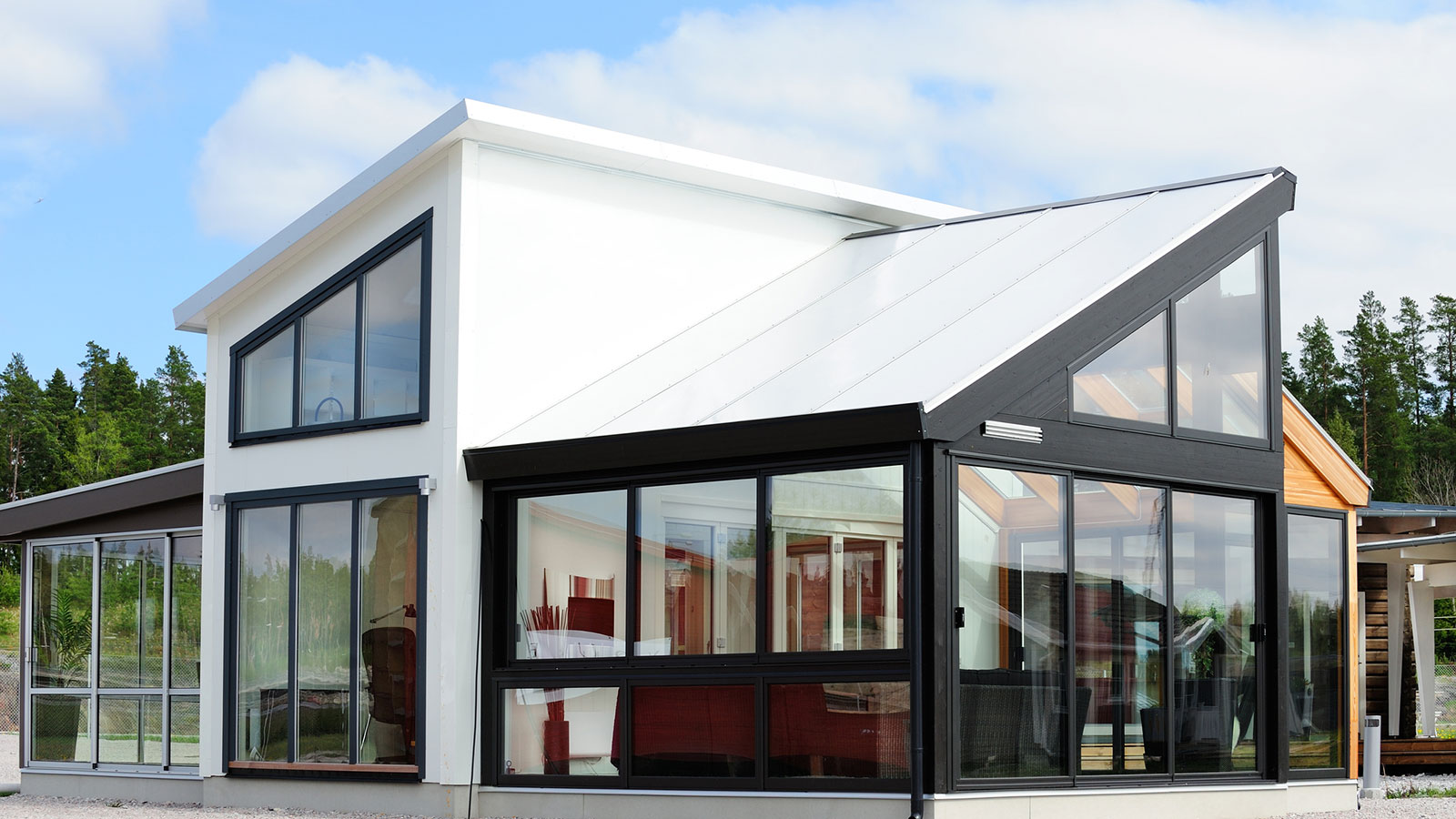
Roof surfaces absorb large amounts of solar heat, particularly during summer.
Cool roofing materials reflect more sunlight and absorb less heat.
Benefits of Cool Roofing
- Reduced indoor heat buildup
- Lower cooling demand
- Improved indoor comfort during summer
Homes located in warmer climates benefit significantly from reflective roofing materials.
My Advice: Landscaping Can Also Save Energy
While most people think of insulation and appliances first, landscaping can also play a role in home efficiency.
Strategically planting shade trees can reduce direct sunlight hitting the house during hot months. In one backyard redesign project, we planted several shade trees along the western side of a property. By the following summer, the homeowner reported noticeably cooler indoor temperatures during the afternoon.
Natural shade can reduce the workload on air-conditioning systems.
Common Mistakes Homeowners Make
Many homeowners rush into energy upgrades without a clear plan.
Common mistakes include:
- Replacing appliances before fixing insulation
- Installing oversized HVAC systems
- Ignoring air leaks before upgrading windows
- Skipping attic ventilation improvements
Energy efficiency works best when improvements are approached as a complete system.
Budget vs Premium Energy Upgrades
Budget-Friendly Improvements
- LED lighting upgrades
- Weatherstripping doors and windows
- Smart thermostats
- Smart power strips
Larger Investments
- Solar panel systems
- Window replacements
- HVAC upgrades
- Reflective roofing materials
Starting with smaller improvements often provides quick results while planning larger upgrades later.
Final Thoughts on Energy Efficient Home Upgrades
Reducing utility bills isn’t always about using less energy, it’s about wasting less of it.
Smart energy efficient home upgrades improve how a home retains heat, manages cooling, and uses electricity. Over time, these improvements create a home that is more comfortable, more sustainable, and far less expensive to operate.
Even modest changes like sealing air leaks or upgrading lighting can lead to noticeable savings. When combined with larger upgrades such as insulation improvements or solar power systems, the long-term benefits become even more significant.
The most effective approach is to start where your home loses the most energy and build improvements from there.
FAQs
What upgrade saves the most energy in a home?
Improving insulation and sealing air leaks often provides the biggest immediate energy savings.
Do energy efficient homes cost more to build?
Initial costs can be slightly higher, but lower utility bills often offset those expenses over time.
Do energy upgrades increase home value?
Many buyers prefer homes with modern insulation, efficient systems, and renewable energy features.
What’s the easiest way to start improving home energy efficiency?
Replacing old bulbs with LED lighting and sealing small air leaks are two simple improvements that can reduce energy waste quickly.