Over the past two decades, one home design feature has dominated modern architecture and interior design: the open concept floor plan. Instead of separating rooms with walls, open layouts combine spaces like the kitchen, dining room, and living room into one larger shared area.
This design approach became especially popular in North America because it creates brighter, more social spaces and makes homes feel larger than they actually are.
However, while open concept home floor plans offer several advantages, they also come with trade-offs that homeowners should consider before remodeling or buying a home.
Understanding the open concept floor plan pros and cons can help you decide whether this layout fits your lifestyle and long-term property goals.
What Is an Open Concept Floor Plan?
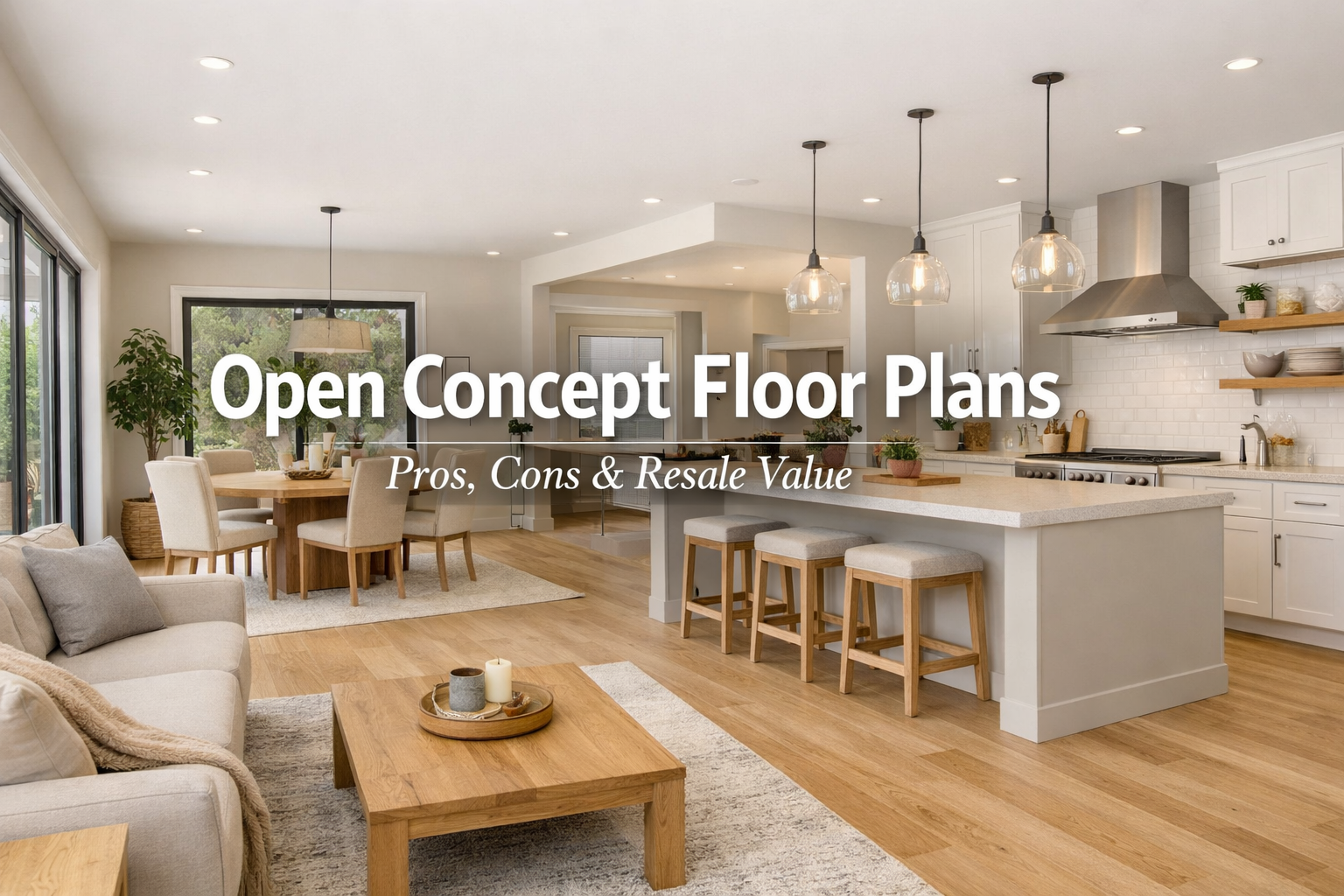
An open concept floor plan is a home layout that removes walls between major living areas, typically combining the kitchen, dining area, and living room into one continuous space.
This design improves visibility, natural light flow, and social interaction within the home. However, it can also reduce privacy and increase noise levels.
Let’s explore the advantages, disadvantages, and resale impact of this popular home layout.
What Defines an Open Concept Floor Plan?
In traditional homes, each space has a defined room with walls separating functions. In contrast, an open concept floor plan blends these spaces together.
Typical Open Layout Features
- Kitchen connected to living room
- Dining area integrated into the main space
- Fewer interior walls
- Large windows and open sightlines
These layouts are especially common in newer construction homes built in the United States after the early 2000s.
Pros of Open Concept Floor Plans
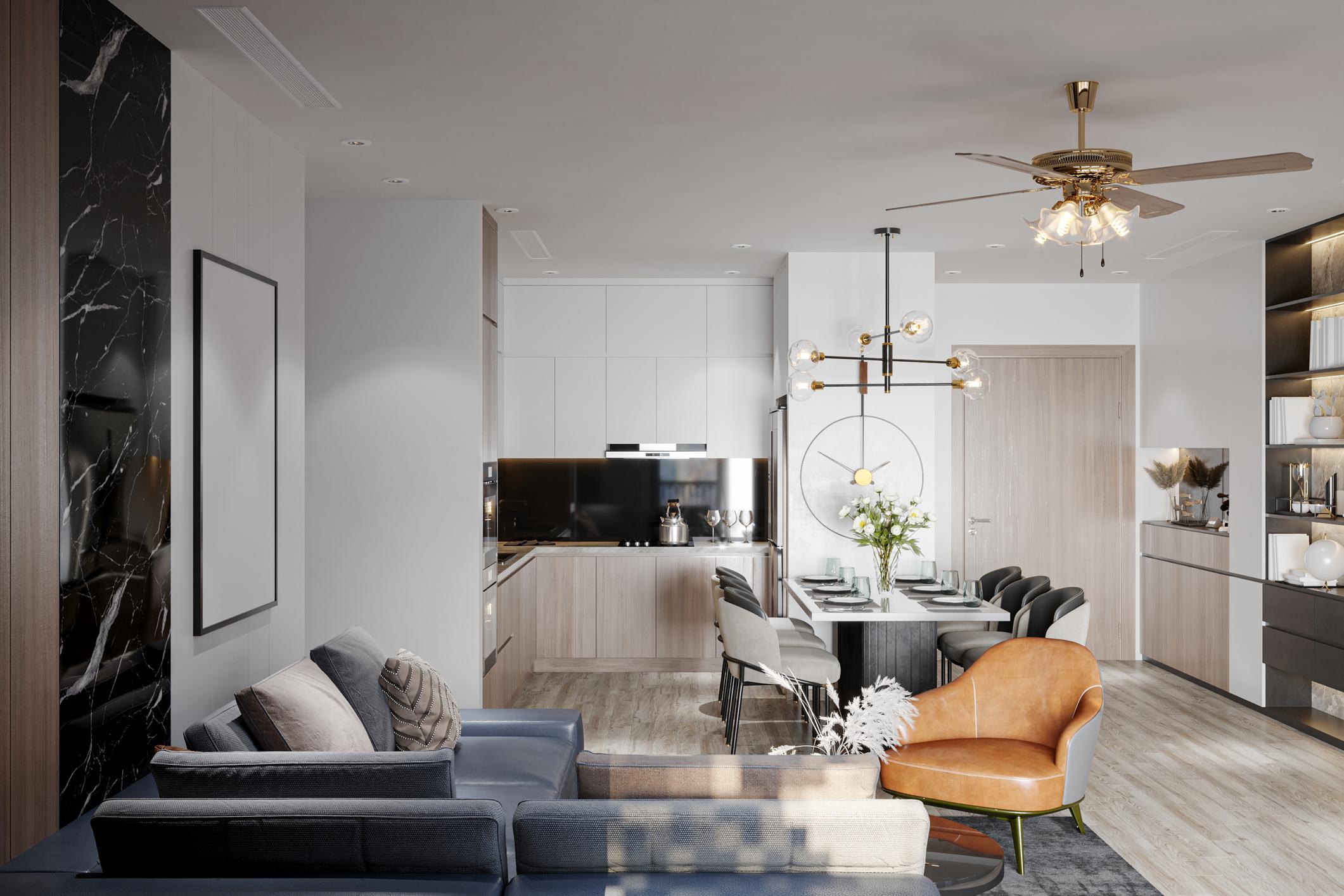
Open layouts became popular for good reason. Many homeowners enjoy the flexibility and spacious feeling they create.
1. Makes Homes Feel Larger
Removing walls allows light and sightlines to travel across the space, making even modest homes feel more spacious.
2. Improves Natural Light
Large windows can distribute daylight across multiple areas rather than lighting a single enclosed room.
3. Better for Social Interaction
Families and guests can interact easily because the kitchen, dining, and living areas share the same space.
This is one reason open layouts are popular for entertaining.
4. Flexible Furniture Layout
Without walls limiting the layout, homeowners can rearrange furniture more freely.
5. Ideal for Modern Lifestyles
Many families prefer open spaces that allow cooking, dining, and relaxing to happen in one shared environment.
Cons of Open Concept Floor Plans
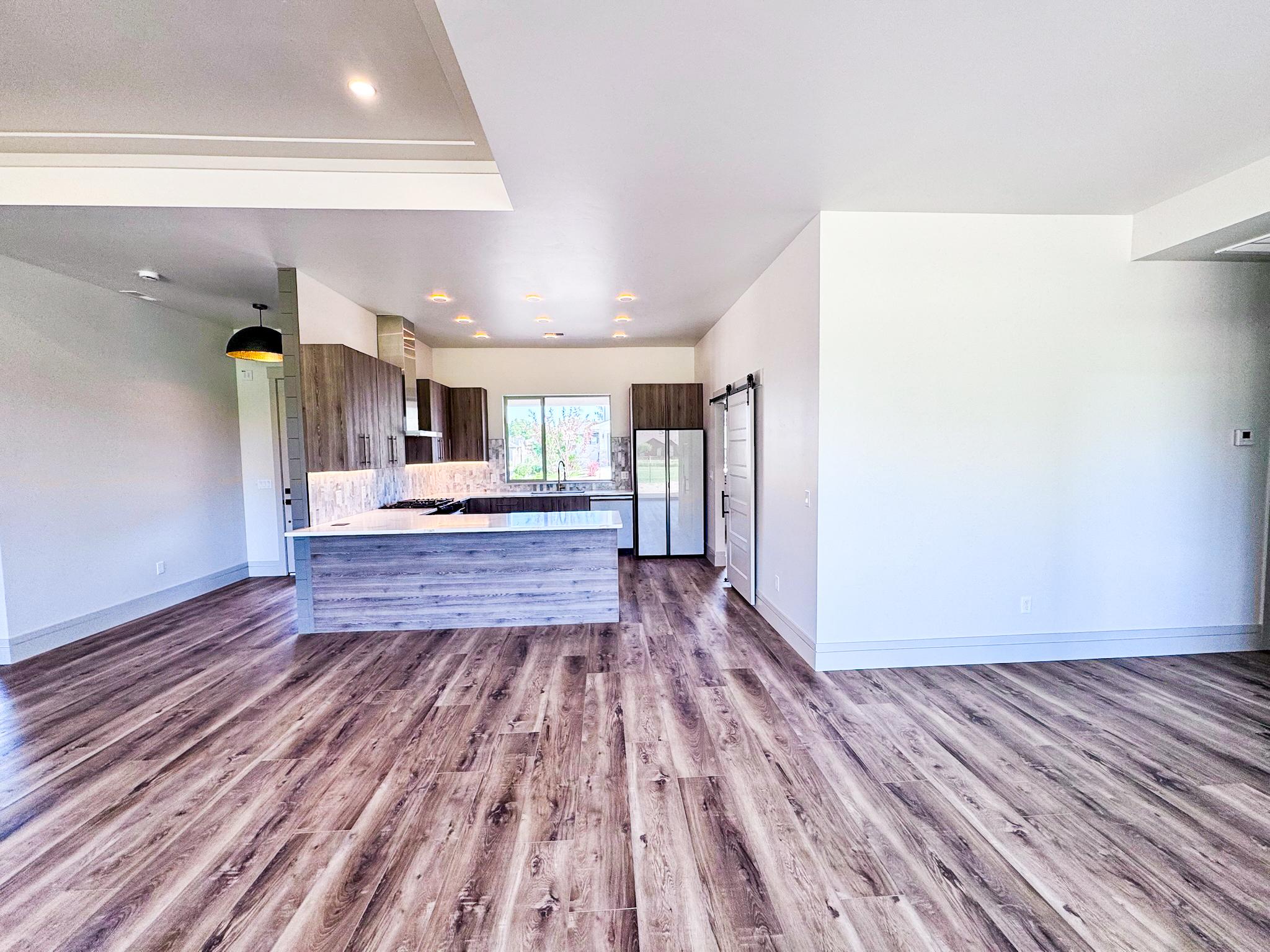
Despite their popularity, open concept floor plan pros and cons must be carefully considered before making structural changes.
1. Less Privacy
With fewer walls, it can be difficult to create quiet spaces for work, study, or relaxation.
2. Noise Travels Easily
Sound from cooking, television, or conversations can travel across the entire open space.
3. Harder to Keep Organized
Because the kitchen is visible from the living area, clutter becomes more noticeable.
4. Heating and Cooling Challenges
Large open areas may require more energy to heat or cool evenly.
5. Structural Limitations
Some homes cannot easily remove walls due to load-bearing structures, which can make remodeling expensive.
Open Concept Floor Plans and Resale Value
Real estate trends show that open concept home floor plans often appeal strongly to modern buyers.
Why Buyers Like Open Layouts
- Spacious appearance
- Better natural lighting
- Modern aesthetic
- Good for entertaining
Many real estate agents report that homes with open layouts tend to photograph better in listings and attract more buyer interest.
However, preferences are slowly evolving. Some buyers now appreciate partial separation between spaces for privacy.
My Perspective
While my background focuses primarily on landscaping and outdoor environments, I’ve noticed an interesting pattern when working with homeowners redesigning their yards.
Homes with open concept floor plans often extend that openness outdoors. Large sliding doors, patios, and backyard seating areas naturally connect with the interior space.
One homeowner I worked with redesigned their patio so it aligned with their open living room layout. When the doors were open, the living area flowed directly into the garden. The result made the home feel much larger than its actual square footage.
Open layouts often work best when indoor and outdoor spaces complement each other.
When an Open Concept Layout Works Best
Open layouts are ideal for homeowners who:
- Frequently entertain guests
- Prefer bright, airy spaces
- Enjoy flexible furniture arrangements
- Want better interaction between rooms
Families with young children often appreciate open spaces because it’s easier to keep an eye on multiple activities at once.
When Traditional Layouts May Be Better
Some homeowners may prefer more defined spaces.
Closed or semi-open layouts can be better for:
- Working from home
- Noise control
- Greater privacy
- Distinct room functions
This is why some modern homes now use semi-open floor plans, which combine openness with partial separation.
Tips for Designing an Open Concept Floor Plan
If you plan to remodel your home into an open layout, consider these design strategies.
Define Zones with Furniture
Use rugs, sofas, and tables to visually separate spaces.
Use Consistent Flooring
Maintaining the same flooring throughout the open area creates a seamless look.
Install Good Lighting
Layered lighting helps distinguish kitchen, dining, and living areas within the same open space.
Add Visual Anchors
Kitchen islands, fireplaces, or shelving units can provide structure within large open rooms.
Final Thoughts on Open Concept Floor Plans
The open concept floor plan remains one of the most popular home layouts in modern architecture. It offers spaciousness, better lighting, and improved social interaction within the home.
However, understanding the open concept floor plan pros and cons is important before making structural changes.
For many homeowners, the best solution lies somewhere in between creating open living areas while maintaining enough separation to support privacy and functionality.
What is the main benefit of an open concept floor plan?
Open layouts create larger, brighter living spaces that encourage social interaction.
Do open concept homes sell faster?
Many buyers prefer open layouts, which can increase buyer interest and resale potential.
Are open floor plans going out of style?
While still popular, some newer designs are introducing semi-open layouts for more flexibility.
Is it expensive to convert a home to an open floor plan?
Costs vary depending on whether load-bearing walls need structural modifications.