Most homeowners make the same mistake.
They choose plants based on how they look, not where they belong.
The result? Constant watering, dying plants, and a yard that never quite settles in.
Here’s the reality. Even native plants can fail if you choose the wrong ones for your exact conditions or place them incorrectly.
If you understand how to select the right native plants by US region, you can build a landscape that practically takes care of itself.
Less maintenance. Better growth. Longer lifespan.
That is what this guide is built for.
What Are Native Plants and Why Do They Work?
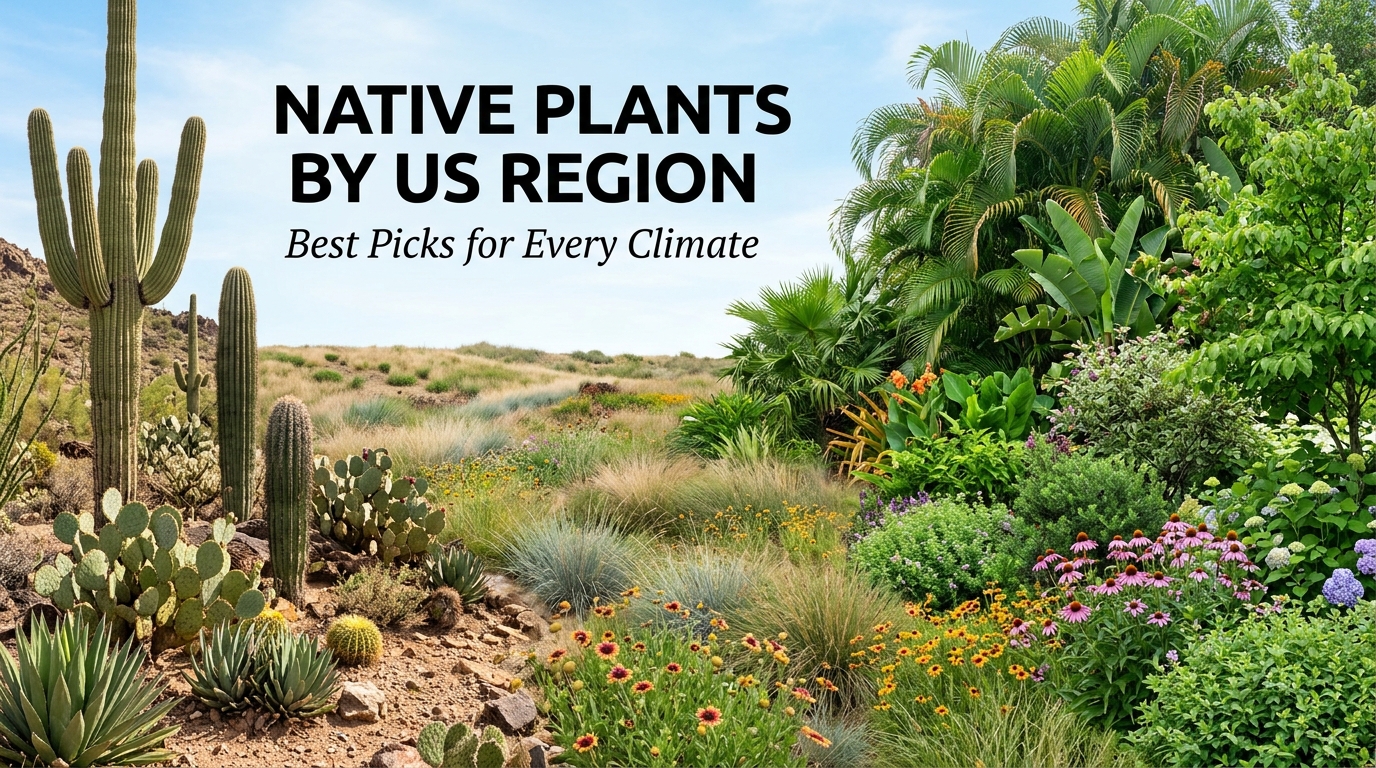
Native plants are species that naturally grow in a specific region and are adapted to its climate, soil, and rainfall. Because of this, they require less water, fewer chemicals, and less maintenance compared to non-native plants.
The key is choosing the right plant for your specific region and placement.
What Most People Get Wrong About Native Plants
Before we get into regions, fix this mindset first.
Native does not automatically mean low maintenance.
Common failures happen because:
- Plants are placed in the wrong light conditions
- Soil drainage is ignored
- Plants are overcrowded
- Watering is excessive
I have seen homeowners replace the same plants multiple times, thinking the plant is the problem. In reality, it is placement and selection.
Quick Comparison: Best Native Plants by Region
| Region | Best Beginner Plant | Light Needs | Maintenance | Best Use |
| Northeast | Coneflower | Full sun | Low | Flower beds |
| Southeast | Coreopsis | Full sun | Low | Borders |
| Midwest | Switchgrass | Full sun | Very low | Large yards |
| Southwest | Agave | Full sun | Very low | Dry landscapes |
| West Coast | California poppy | Full sun | Low | Decorative beds |
If you are starting out, pick from this table first.
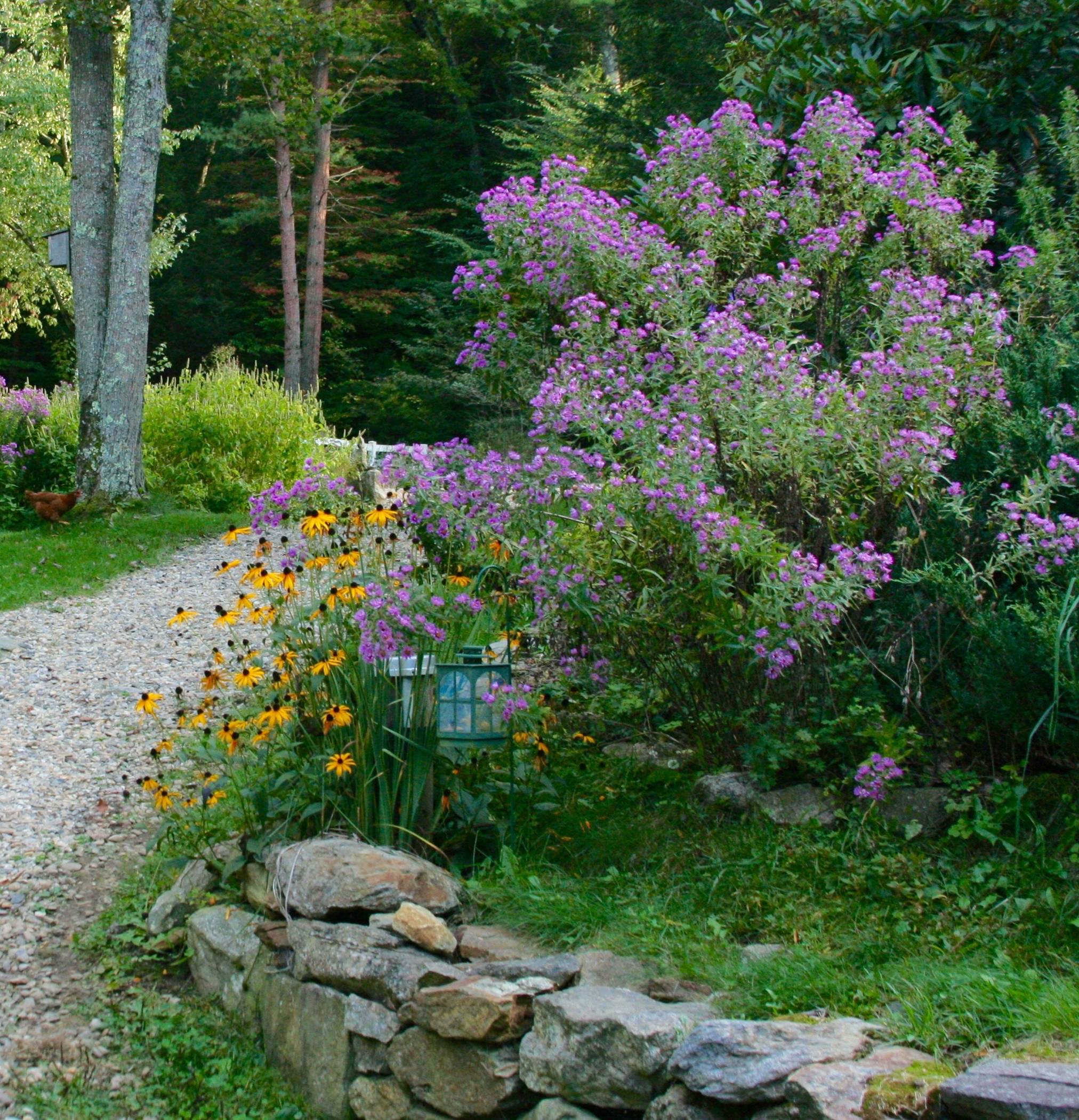
Northeast Region Plant (Cold Winters, Humid Summers)
Best Native Plants
Coneflower Plant
- Light: Full sun
- Water: Moderate
- Growth: 2 to 4 feet
- Best for: Flower beds, pollinator gardens
Black-Eyed Susan Plant
- Light: Full sun
- Water: Low
- Growth: 2 to 3 feet
- Best for: Low-maintenance gardens
Eastern Redbud Plant
- Light: Partial to full sun
- Growth: Small tree
- Best for: Front yard focal point
These plants handle seasonal shifts and colder winters well.
Southeast Region (Hot, Humid, Rainy)
Best Native Plants
Coreopsis Plant
- Light: Full sun
- Water: Low
- Growth: 1 to 2 feet
- Best for: Easy ground coverage
Azaleas Plant
- Light: Partial shade
- Water: Moderate
- Best for: Decorative shrubs
Southern Magnolia Plant
- Light: Full sun
- Growth: Large tree
- Best for: Shade and structure
In humid regions, spacing matters. Tight planting leads to fungal problems
Midwest Region Plants (Extreme Seasons)
Best Native Plants
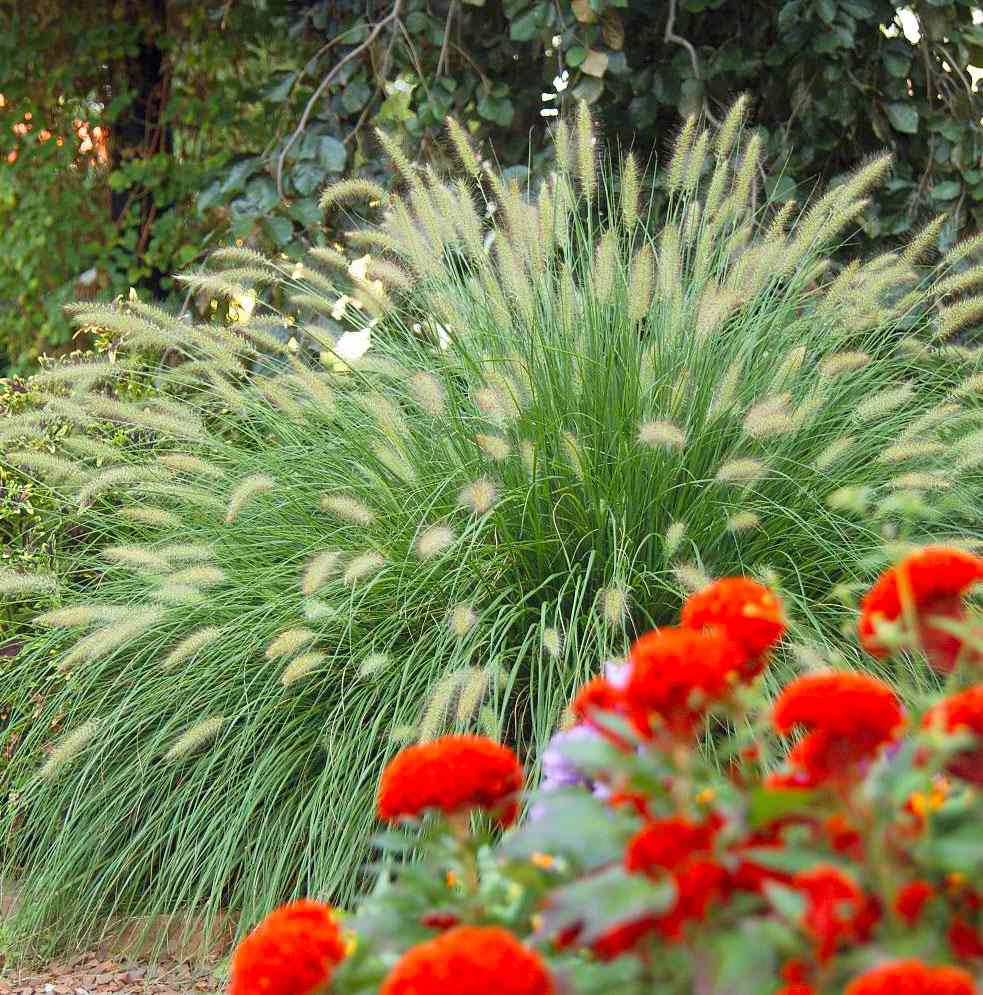
Switchgrass
- Light: Full sun
- Water: Low
- Growth: 3 to 6 feet
- Best for: Wind resistance
Milkweed Plant
- Light: Full sun
- Water: Low
- Best for: Pollinator gardens
Blazing Star Plant
- Light: Full sun
- Growth: Tall flowering plant
These plants are built for drought, wind, and cold winters.
Southwest Region Plants (Hot, Dry, Low Rainfall)
Best Native Plants
Agave Plant
- Light: Full sun
- Water: Very low
- Best for: Xeriscaping
Yucca Plant
- Light: Full sun
- Water: Very low
- Best for: Structure and height
Desert Marigold Plant
- Light: Full sun
- Best for: Color in dry landscapes
Overwatering is the biggest mistake in this region
West Coast Region Plants (Mild, Seasonal Drought)
Best Native Plants
California Poppy Plant
- Light: Full sun
- Water: Low
- Best for: Bright seasonal color
Manzanita Plant
- Light: Full sun
- Best for: Structure and drought resistance
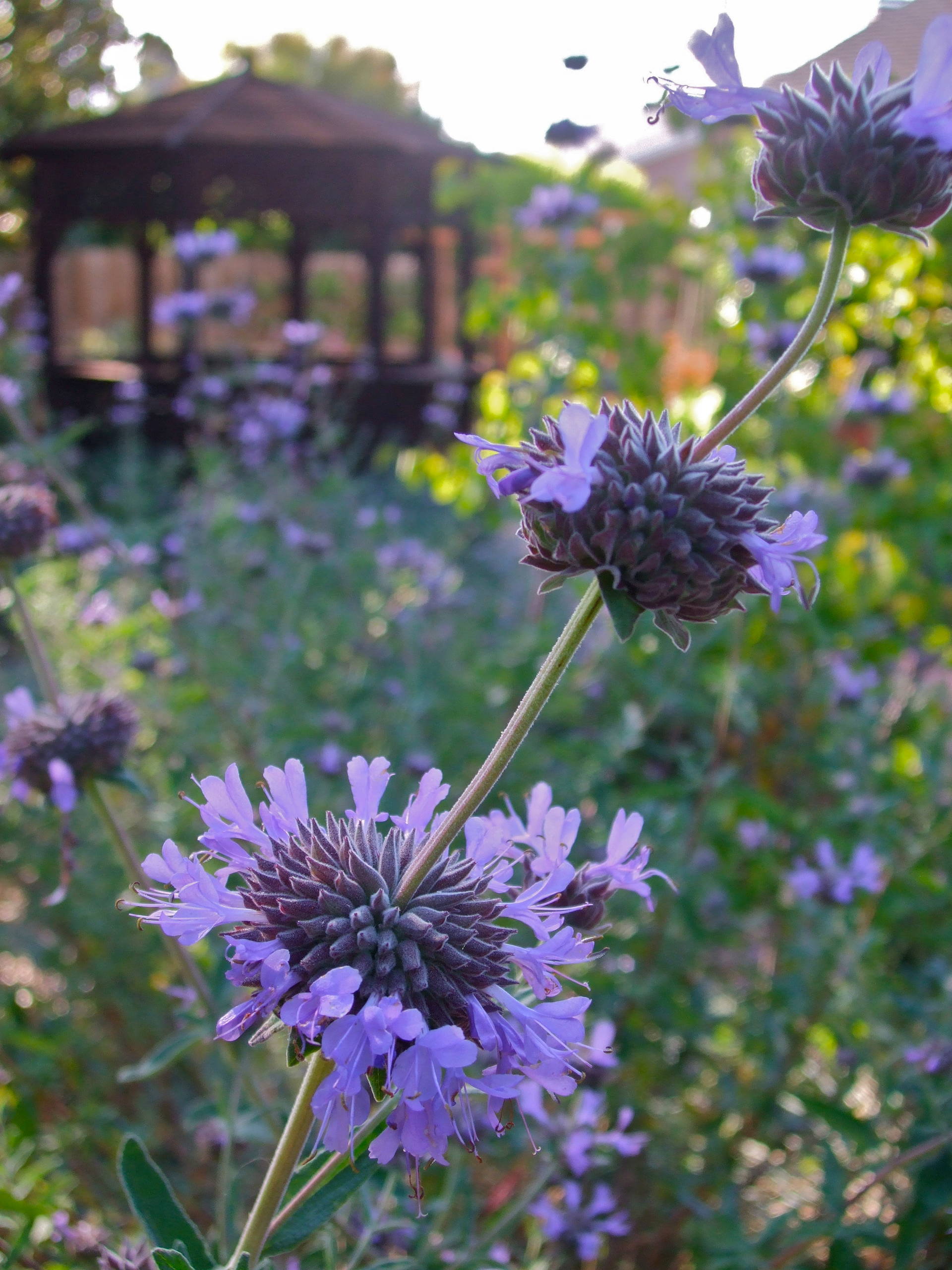
Sage Plant
- Light: Full sun
- Best for: Low-water landscapes
These plants thrive in dry summers and mild winters.
Best Native Plants Based on Your Needs
For Beginners
- Coneflower
- Coreopsis
- Milkweed
For Low Maintenance
- Switchgrass
- Agave
- Sage
For Small Yards
- Compact shrubs
- Perennials
- Container-friendly natives
This section alone captures high-intent searches.
When Native Plants FAIL (Most Important Section)
Even the right plants can fail if:
- Soil drainage is poor
- Plants are overcrowded
- Light conditions are ignored
- Watering is excessive
This is where most homeowners go wrong
How to Choose the Right Native Plants (Step-by-Step)
Step 1: Identify your region
Step 2: Check sunlight in your yard
Step 3: Match plant size to space
Step 4: Start with 2 to 3 plants
Step 5: Observe before expanding
Do not plant everything at once.
My Experience Says
One homeowner I worked with planted native shrubs in a shaded backyard expecting them to thrive. They struggled for months.
We replaced them with shade-tolerant native plants and adjusted spacing. Within one season, the garden stabilized and required far less maintenance.
The lesson is simple. Native plants work best when matched to conditions, not just location.
Final Thoughts on Native Plants by US Region
Using native plants by US region is one of the smartest ways to build a low-maintenance, resilient garden.
But success does not come from choosing random native plants. It comes from choosing the right ones for your specific conditions and placing them correctly.
If you get that right, your garden becomes easier every year.
FAQs
What are native plants?
Plants that naturally grow in a specific region without human introduction
Are native plants really low maintenance?
Yes, but only when placed in the right conditions
Do native plants need watering?
Only during establishment. After that, many require minimal water
What is the easiest native plant for beginners?
Coneflower, coreopsis, and milkweed are great starting options