

Most lawns don’t turn brown because of heat alone.
They fail because of small mistakes repeated every week. Watering too often. Cutting too short. Fertilizing at the wrong time.
In hot states like Texas, Florida, Arizona, and California, these mistakes show up fast.
Here is the reality. Summer lawn care is not about doing more work. It is about doing fewer things correctly and consistently.
If you follow a structured summer lawn care checklist, your lawn can stay green even during extreme heat waves.
What Is the Best Summer Lawn Care Routine?
The best summer lawn care checklist includes deep watering of 1 to 1.5 inches per week, mowing at a higher height, avoiding heavy fertilization, controlling weeds early, and protecting soil moisture. The goal is to reduce stress while strengthening root systems.
What Most Homeowners Get Wrong (Fix This First)
Before you follow any checklist, avoid these:
- Watering lightly every day
- Cutting grass too short
- Fertilizing during peak heat
- Ignoring soil condition
- Watering in the afternoon
From experience, most lawn damage in summer comes from over-maintenance, not neglect.
Quick Summer Lawn Care Checklist (At a Glance)
| Task | Frequency | Best Time |
| Watering | 2 to 3 times/week | Early morning |
| Mowing | Weekly | Morning or evening |
| Weed Control | As needed | Early growth stage |
| Fertilizing | Minimal | Early summer only |
| Inspection | Weekly | Any time |
If you follow just this table consistently, your lawn will outperform most.
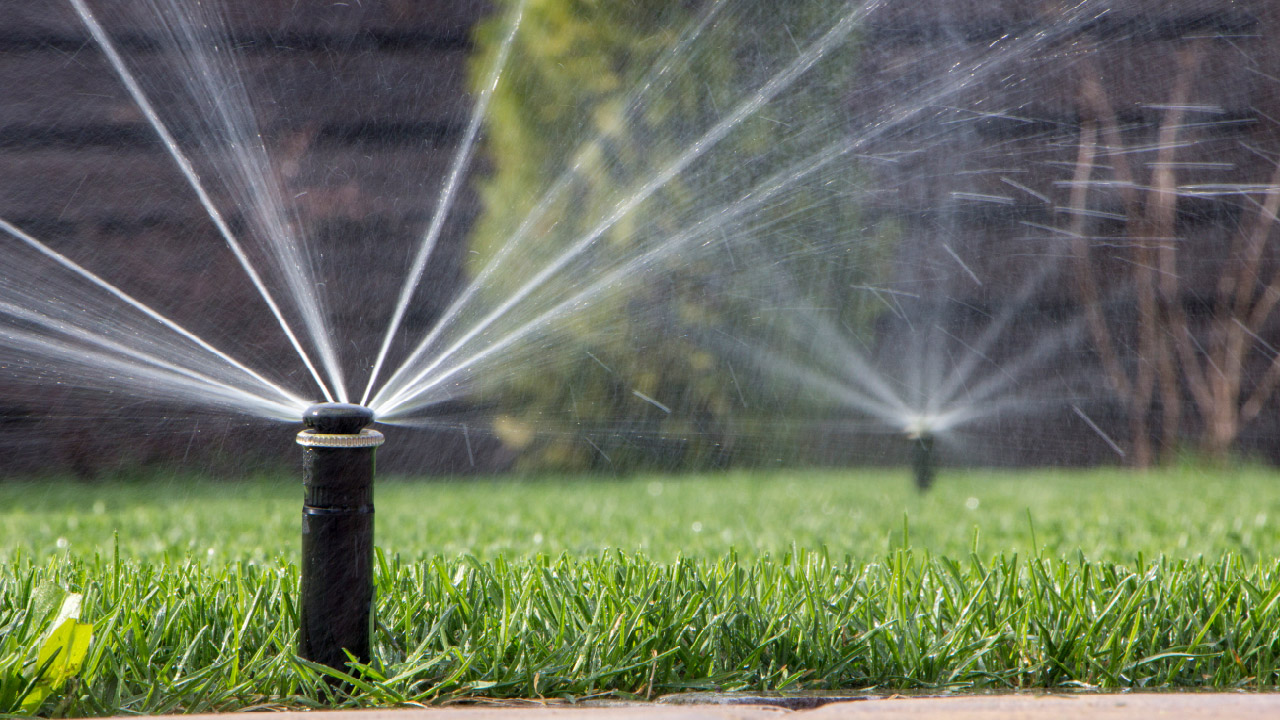
1. Water Deeply (Not Daily)
Exact Rule
- 1 to 1.5 inches of water per week
- Split into 2 to 3 sessions
Best Time
Between 5 AM and 9 AM
How to Measure
Place a small container on your lawn while watering. Once it fills to about 1 inch, you’re done.
Why It Works
Deep watering pushes roots deeper into the soil, making grass more heat-resistant.
Biggest Mistake
Daily light watering creates shallow roots that dry out faster.
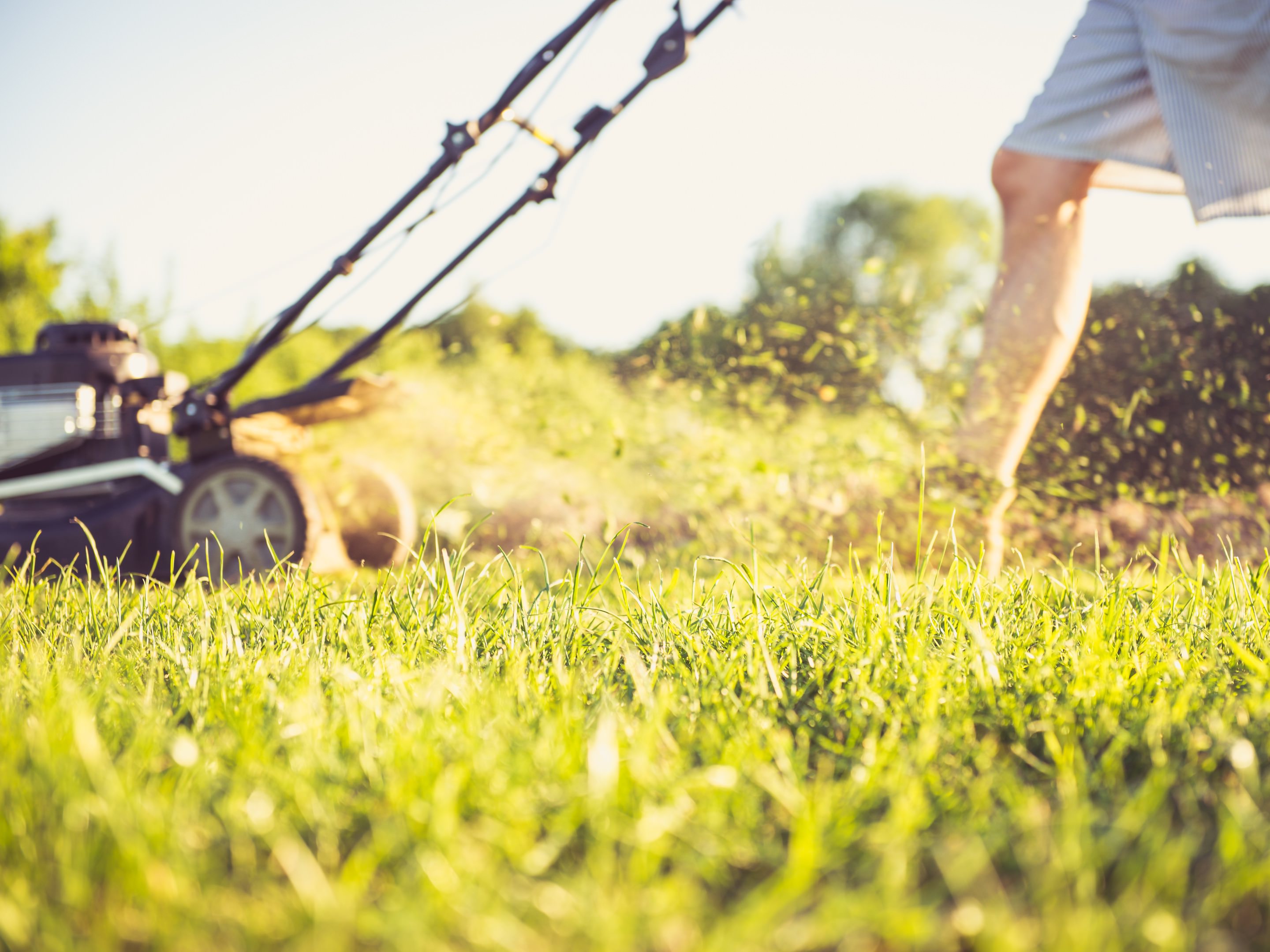
2. Adjust Mowing Height (This Changes Everything)
Ideal Height by Grass Type
- Bermuda: 1.5 to 2.5 inches
- St. Augustine: 3 to 4 inches
- Zoysia: 2 to 3 inches
Rule
Never cut more than one-third of the blade height.
Why It Works
Taller grass shades soil, reduces evaporation, and protects roots.
3. Lawn Care by Grass Type (High Ranking Section)
This is where most blogs fail. Your grass type determines everything.
Bermuda Grass
- Needs frequent mowing
- Handles heat well
- Requires consistent watering
St. Augustine Grass
- Needs more water than others
- Prefers higher mowing height
- Sensitive to drought
Zoysia Grass
- Slower growth
- Requires less mowing
- More drought-tolerant
If you match care to grass type, results improve immediately.
4. Fertilize Carefully (Or Skip It)
What to Do
- Use slow-release fertilizer
- Apply only in early summer
What to Avoid
- Heavy fertilizing during peak heat
Why
Too much fertilizer increases growth stress and can burn grass.
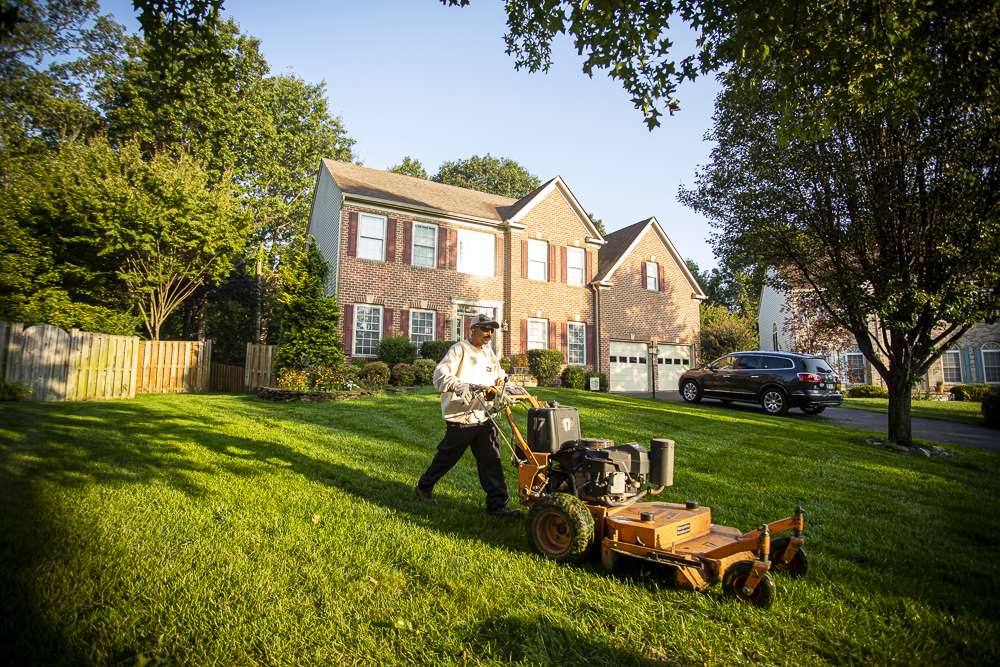
5. Control Weeds Before They Spread
What to Do
- Remove weeds early
- Spot-treat instead of blanket spraying
Why
Weeds compete for water, which is critical in hot weather.
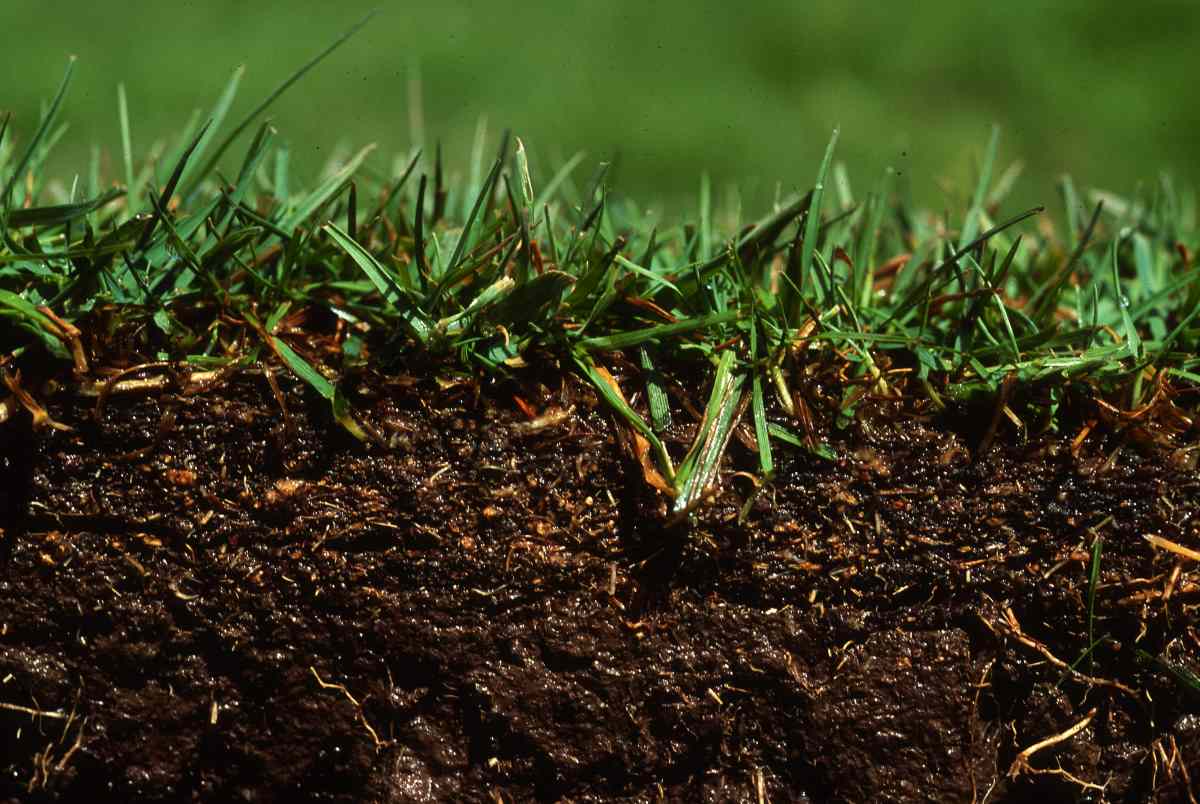
6. Improve Soil Moisture Retention
What to Do
- Aerate compacted soil
- Add compost or organic matter
Why
Better soil holds water longer and reduces stress.
7. Essential Tools That Make Lawn Care Easier
Most homeowners ignore this, but tools matter.
Must-Have Tools
- Sprinkler system or hose timer
- Soil moisture meter
- Sharp mower blades
- Lawn aerator
A moisture meter alone can prevent overwatering mistakes.
Monthly Summer Lawn Care Plan
Early Summer
- Light fertilization
- Start mowing higher
- Inspect soil condition
Peak Summer
- Focus on watering
- Avoid stress
- Limit mowing frequency
Late Summer
- Prepare for recovery
- Reduce watering gradually
This section captures additional search traffic.
My Experience Says
I once worked with a homeowner who watered their lawn every day but still had dry patches.
We reduced watering to three deep sessions per week and raised mowing height. Within a few weeks, the lawn started recovering.
This is something I see often. It is not about more water. It is about correct watering.
Signs Your Lawn Is Under Stress
Watch for:
- Footprints that stay visible
- Gray or dull color
- Dry, brittle blades
- Patchy growth
These signs appear before full damage happens.
Common Summer Lawn Care Mistakes
Avoid these completely:
- Watering at midday
- Cutting grass too short
- Over-fertilizing
- Ignoring grass type
- Using spring routines in summer
Wrapping Notes on Summer Lawn Care Checklist
A healthy lawn in hot weather comes down to consistency and precision.
If you follow this summer lawn care checklist, focus on deep watering, proper mowing, and soil health, your lawn will stay stronger than most even in extreme heat.
Most people overcomplicate lawn care. The ones who succeed keep it simple and do it right.
FAQs
How often should I water my lawn in summer?
2 to 3 times per week with deep watering
What is the best mowing height in summer?
Higher than usual, depending on grass type
Why is my lawn still brown after watering?
Likely due to shallow watering or mowing too short
Should I fertilize during summer?
Only lightly and preferably in early summer