Gardening in humid regions like Florida and many Southern U.S. states presents unique challenges. While the warm climate allows plants to grow quickly, constant humidity can also encourage fungal diseases, root rot, and pest problems if the wrong plants are chosen.
The key to success is selecting plants that naturally thrive in warm, moisture-rich environments. When chosen carefully, the best plants for humid climate gardens can grow vigorously while requiring less maintenance and fewer chemical treatments.
Over the years working with homeowners in humid regions, I’ve noticed that gardens perform best when they rely heavily on native or humidity-tolerant species. These plants are already adapted to the climate, making them far more resilient than plants that prefer dry conditions.
What Are the Best Plants for Humid Climates?
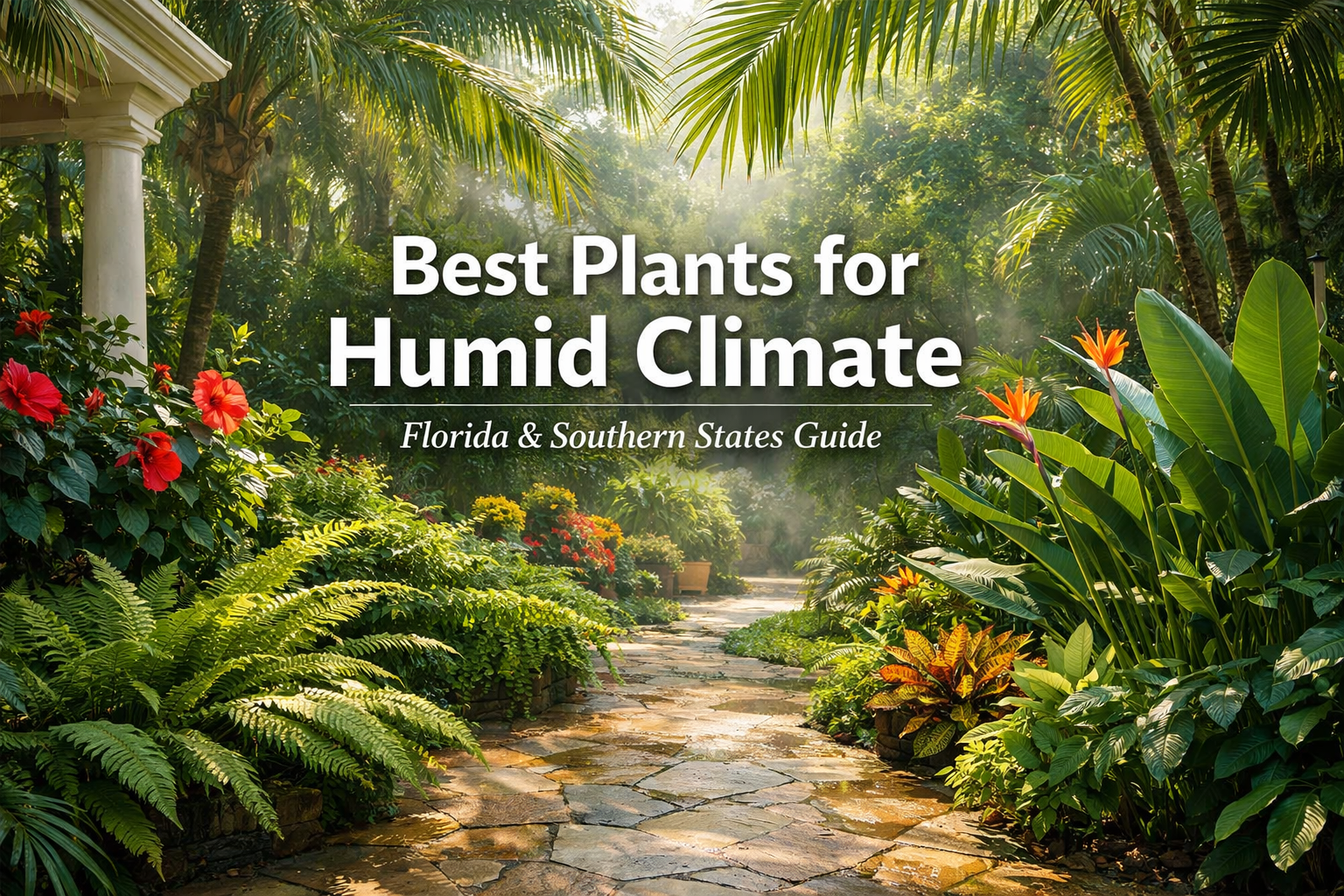
The best plants for humid climate regions are species that tolerate high moisture levels, warm temperatures, and occasional heavy rainfall. Many tropical plants, native Southern plants, and certain hardy perennials thrive in these environments.
Popular examples include:
- Hibiscus
- Ferns
- Gardenias
- Caladiums
- Elephant ears
- Azaleas
These plants are well-suited for humid gardens and often require less intervention once established.
Why Humid Climates Require Special Plant Selection
Humidity affects plants in several ways. While moisture helps plants grow quickly, it also creates conditions where fungal diseases can spread easily.
Common challenges include:
- Leaf mildew
- Root rot
- Pest infestations
- Poor air circulation
The best plants for humid climate gardens are typically those with natural disease resistance and strong adaptability to warm conditions
1. Hibiscus
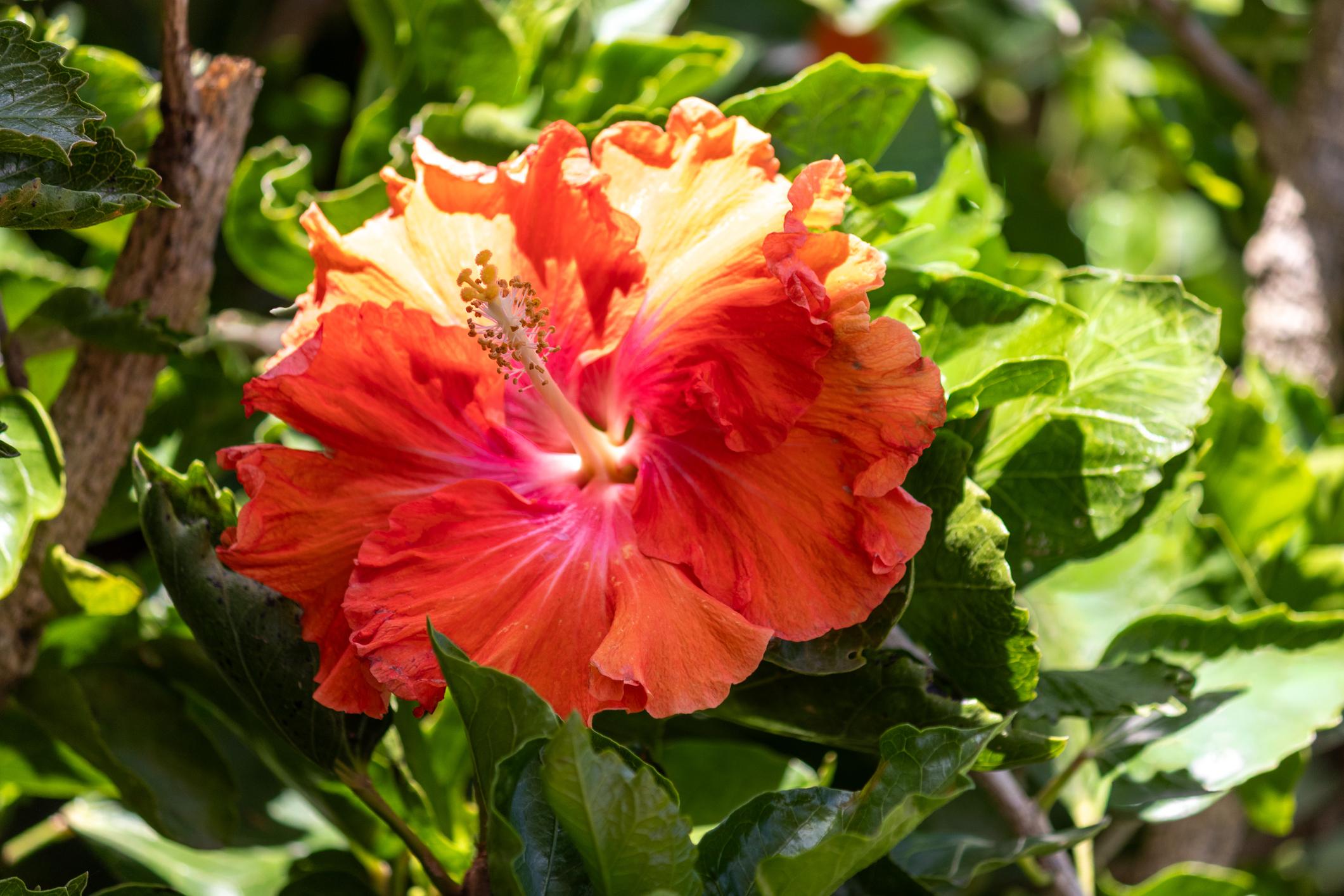
Hibiscus is one of the most iconic plants found in humid Southern landscapes.
Why Hibiscus Thrives in Humid Regions
- Loves warm temperatures
- Tolerates frequent rainfall
- Produces large vibrant blooms
These tropical shrubs bloom throughout much of the year in warm climates, making them a favorite in Florida gardens.
2. Ferns
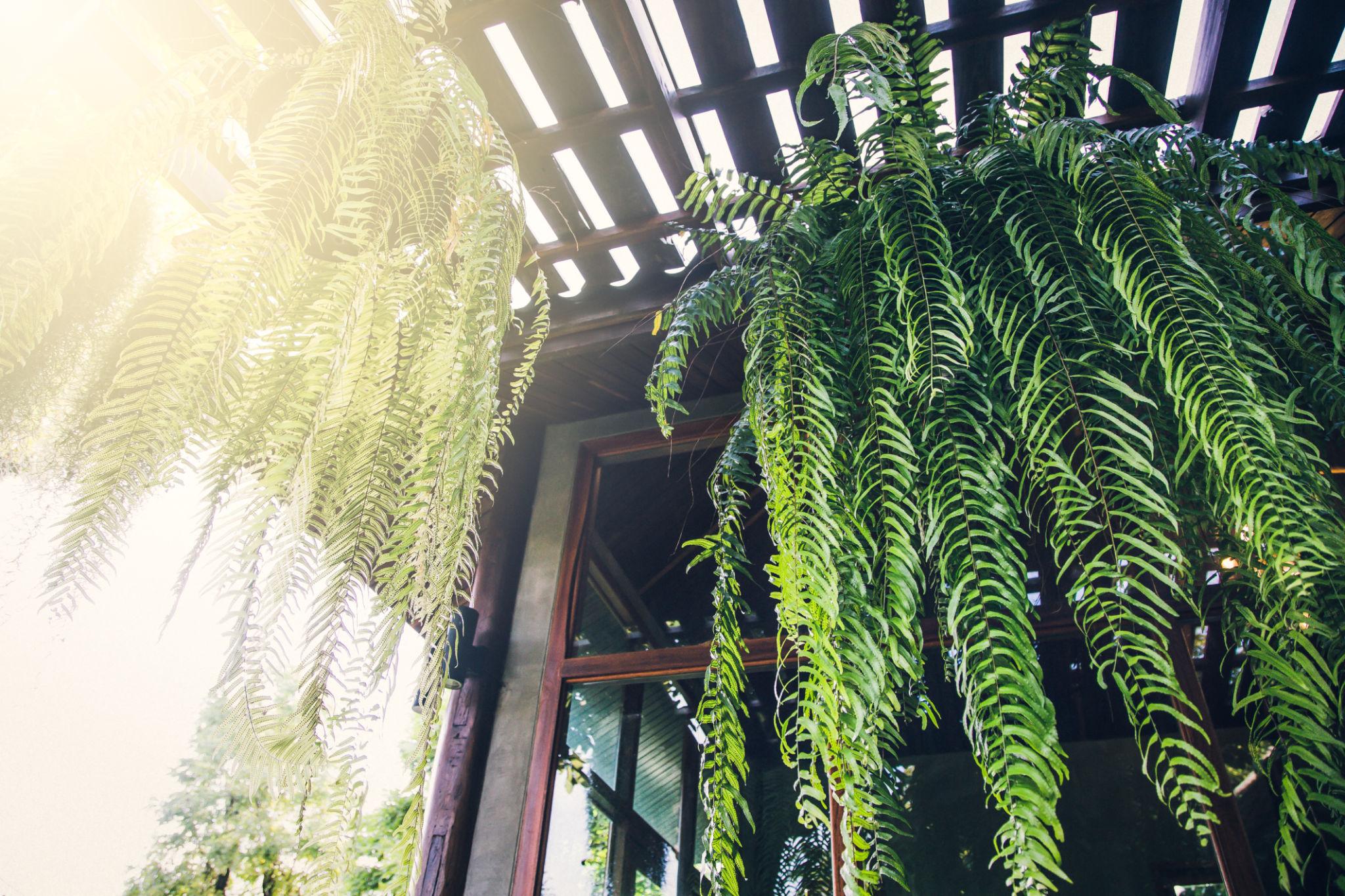
Ferns naturally thrive in moisture-rich environments, which makes them ideal for humid climates.
Benefits of Growing Ferns
- Thrive in shaded areas
- Require minimal maintenance
- Improve garden texture and greenery
Many homeowners place ferns in shaded patios or along garden borders where humidity remains high.
3. Gardenias
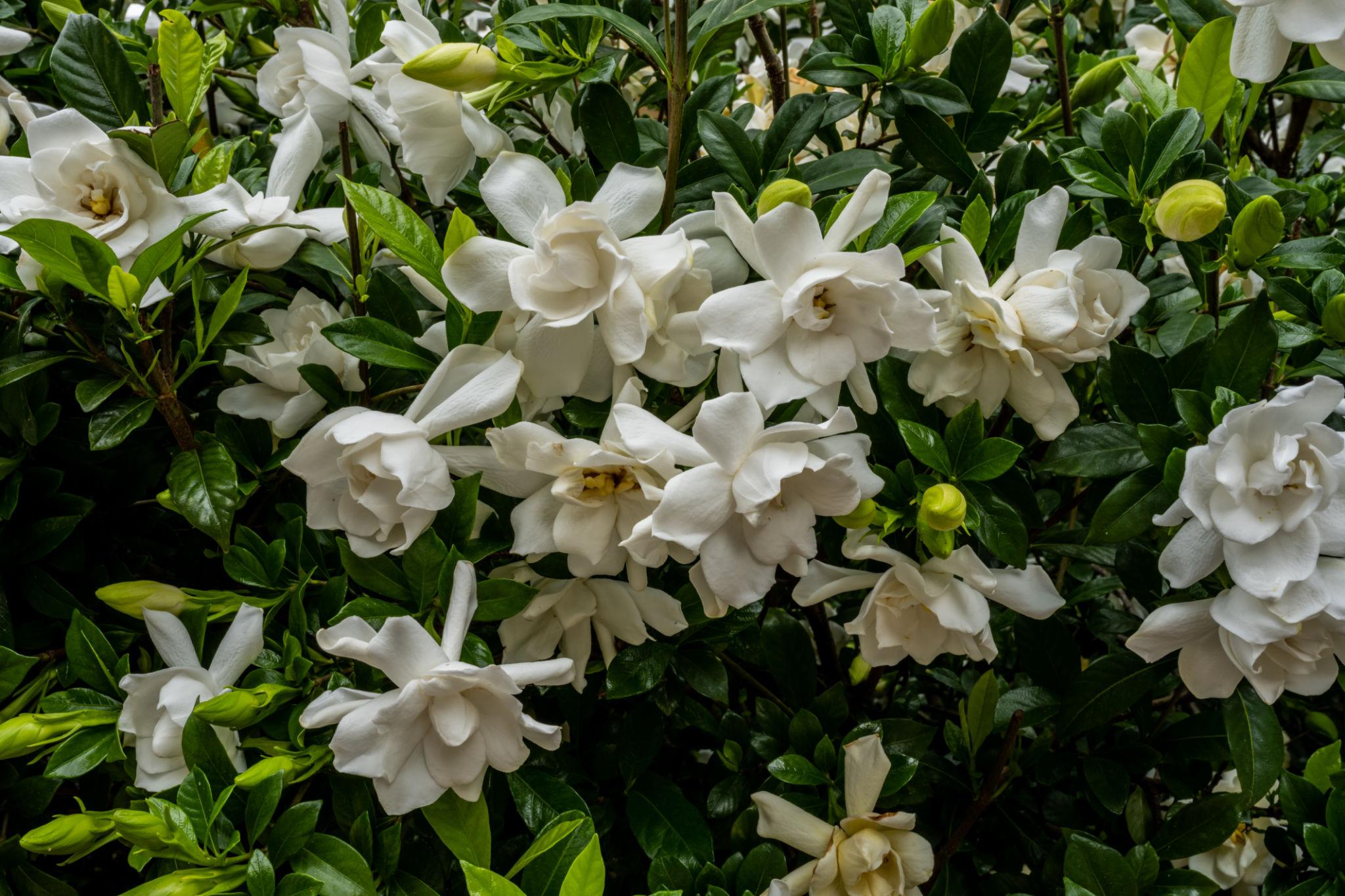
Gardenias are known for their fragrant white flowers and glossy leaves.
These shrubs perform exceptionally well in humid environments where they receive consistent moisture and warm temperatures.
Why Gardenias Work Well
- Adapt well to Southern climates
- Produce fragrant blooms
- Attractive evergreen foliage
They are often planted near patios or walkways where their fragrance can be appreciated.
4. Caladiums
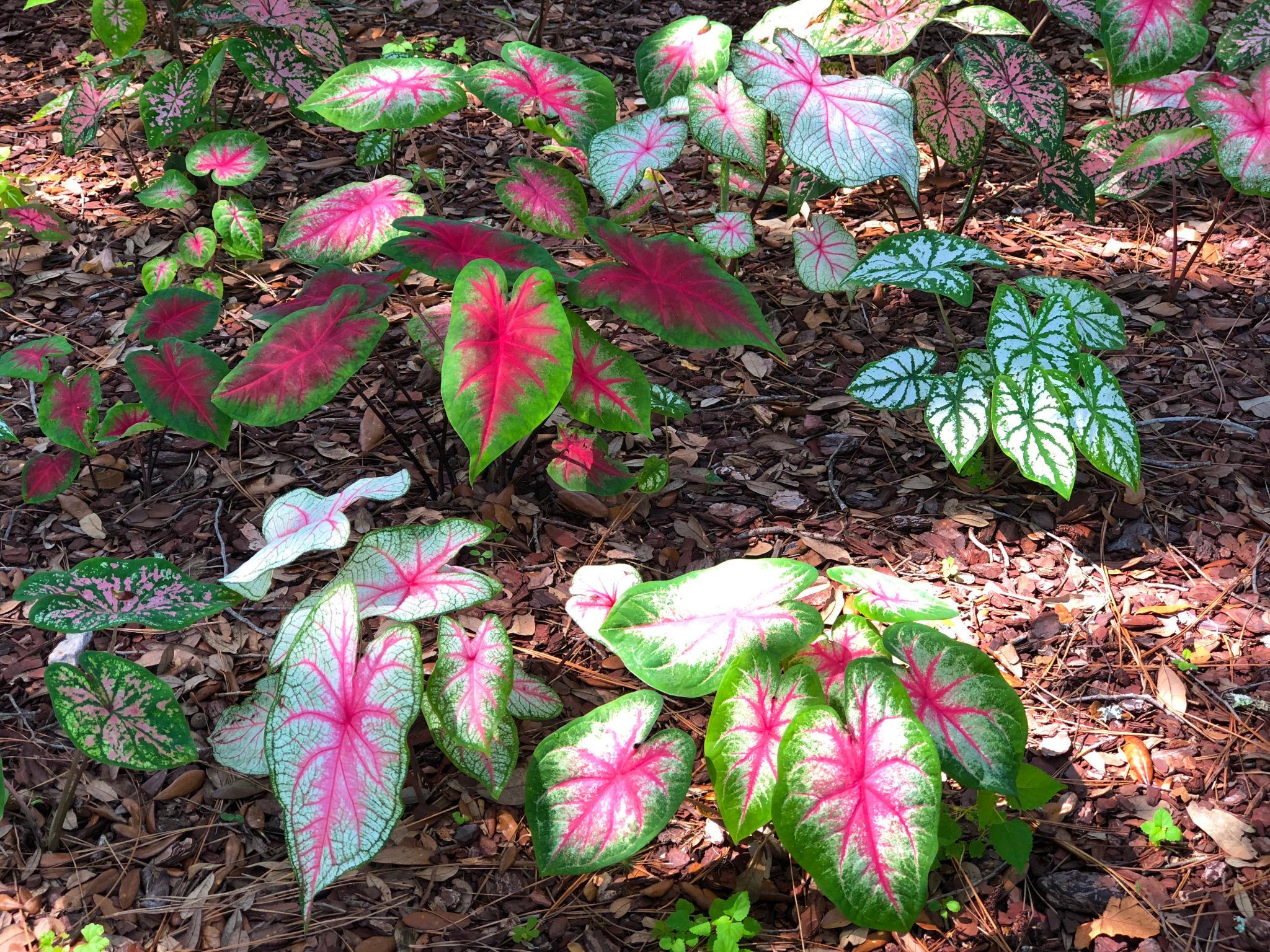
Caladiums are grown primarily for their colorful foliage rather than flowers.
Why Caladiums Are Ideal for Humid Climates
- Thrive in warm weather
- Prefer moist soil conditions
- Provide vibrant decorative foliage
Their bright red, pink, and green leaves add dramatic color to shaded garden beds.
5. Elephant Ear Plants
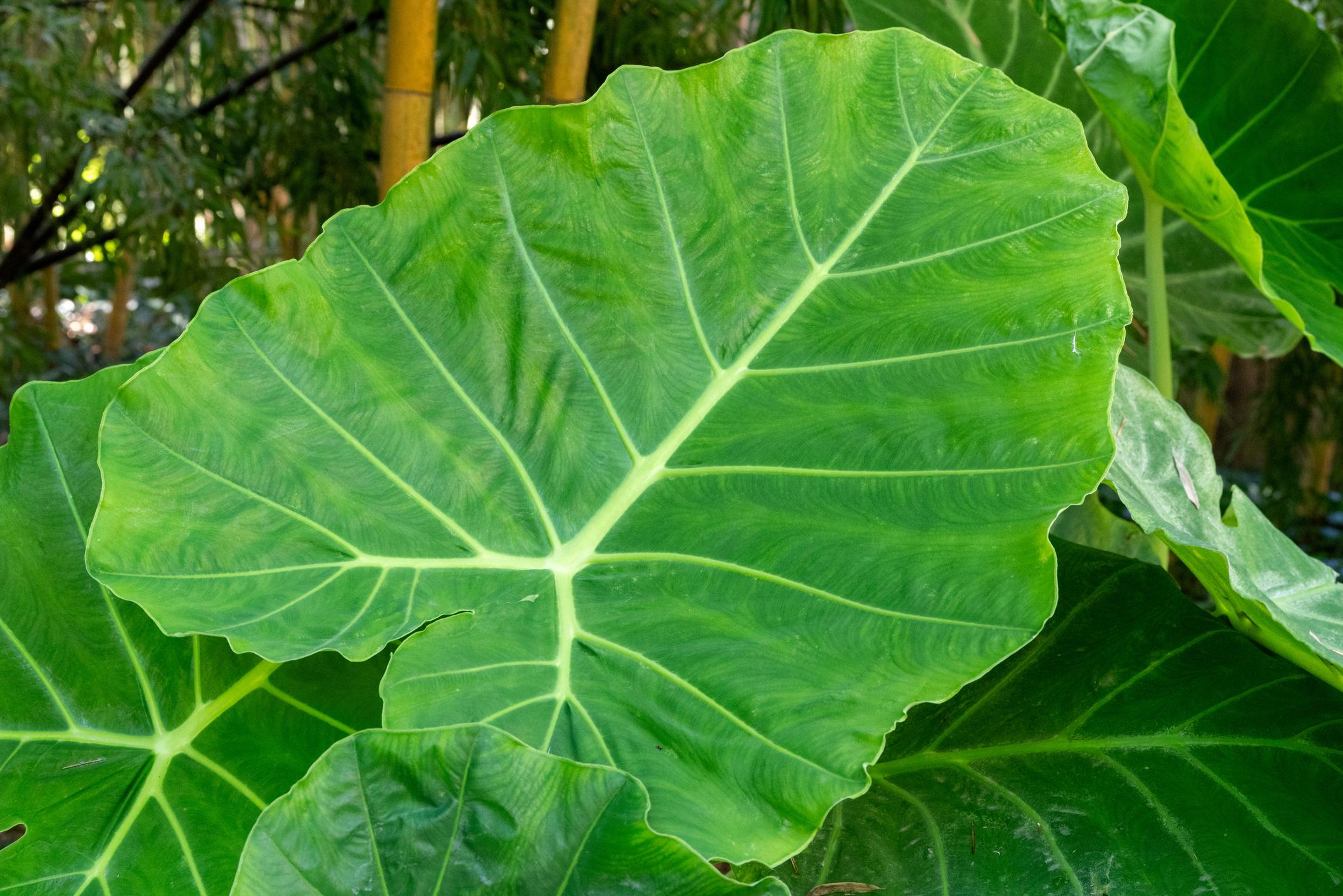
Elephant ear plants are famous for their enormous leaves that create a bold tropical look.
Why They Thrive in Humid Gardens
- Prefer warm temperatures
- Grow well in moist soil
- Create dramatic landscape impact
These plants are frequently used in tropical-style landscaping throughout Florida and the Gulf Coast.
6. Azaleas
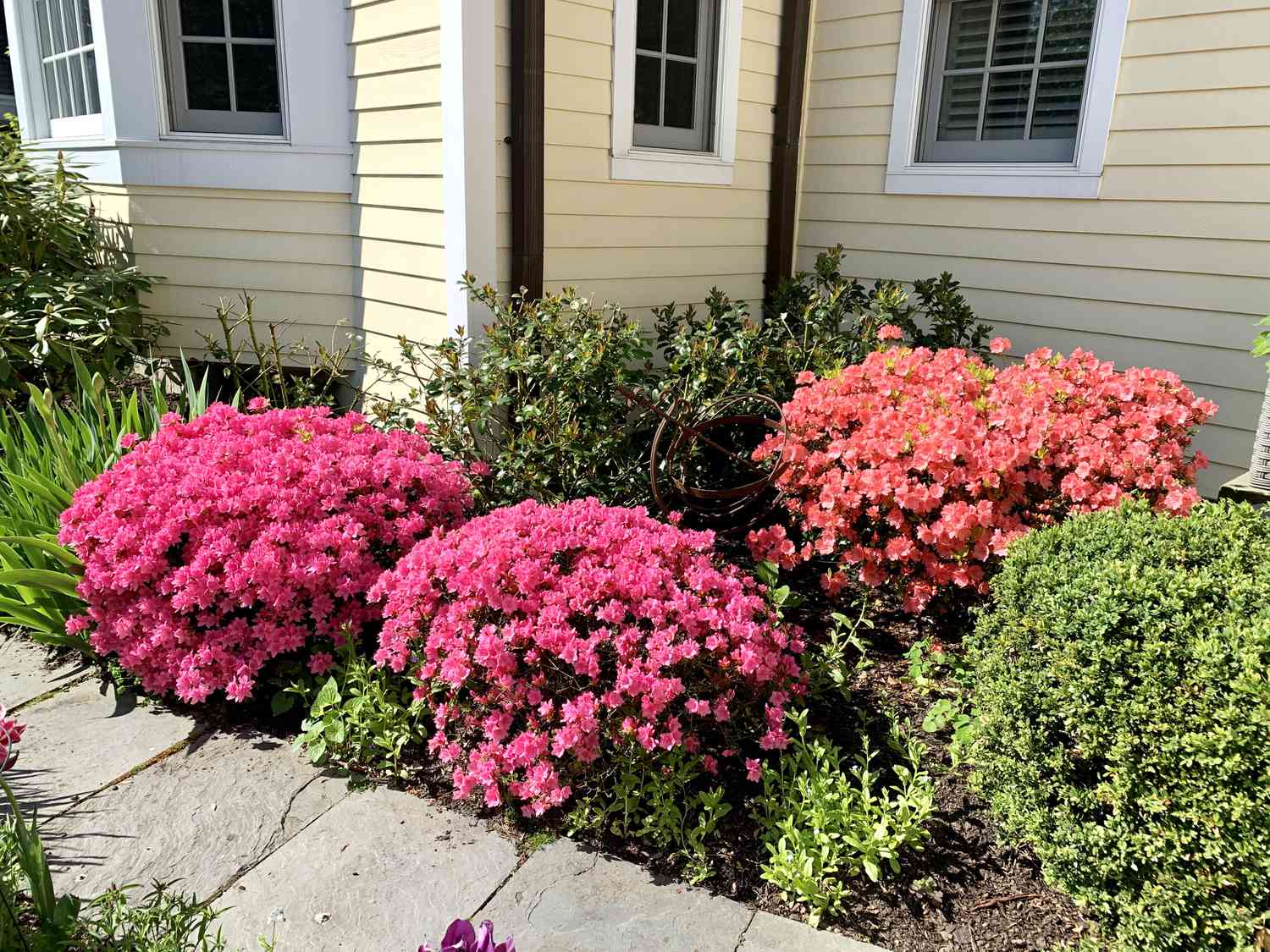
Azaleas are classic flowering shrubs commonly found across the Southern United States.
Advantages of Azaleas
- Adapted to humid climates
- Produce colorful spring blooms
- Thrive in partial shade
In many Southern gardens, azaleas are planted along foundations or garden borders.
My Advice
Over the years working with homeowners in humid environments, I’ve learned that plant selection often matters more than soil amendments or fertilizers.
One homeowner I worked with in a coastal garden struggled to maintain roses due to constant fungal issues. After replacing them with hibiscus and gardenias, the garden required far less maintenance and produced healthier growth.
Choosing plants that naturally thrive in humidity often solves many gardening problems before they begin.
Common Mistakes When Gardening in Humid Climates
Even when choosing the best plants for humid climate gardens, mistakes can still occur.
Common issues include:
- Overwatering plants that already receive heavy rainfall
- Planting too closely, reducing air circulation
- Ignoring fungal disease prevention
- Choosing plants suited for dry climates
Proper spacing and airflow help reduce many humidity-related problems.
How to Integrate Humidity-Loving Plants Into Your Garden
To create a thriving humid-climate garden:
Use Layered Planting
Combine tall plants, shrubs, and ground cover to create a natural garden structure.
Improve Air Circulation
Leave adequate space between plants to prevent fungal diseases.
Choose Native Species
Native plants often perform better because they have adapted to local conditions.
Final Thoughts on the Best Plants for Humid Climates
Gardening in warm, humid regions doesn’t have to be difficult. By selecting plants naturally suited to these conditions, homeowners can create beautiful landscapes that require less maintenance.
The best plants for humid climate gardens are typically tropical, native, or moisture-loving species that can tolerate warm temperatures and frequent rainfall.
With the right plant choices and proper spacing, gardens in humid environments can flourish with vibrant color and healthy growth.
What plants grow best in humid climates?
Tropical plants like hibiscus, ferns, gardenias, caladiums, and elephant ears thrive in humid environments.
Do plants grow faster in humid climates?
Yes. Warm temperatures and consistent moisture often accelerate plant growth.
Are tropical plants good for humid gardens?
Many tropical plants are naturally adapted to humidity, making them excellent choices.
How do you prevent fungus in humid gardens?
Proper plant spacing, good air circulation, and selecting disease-resistant plants help reduce fungal problems.