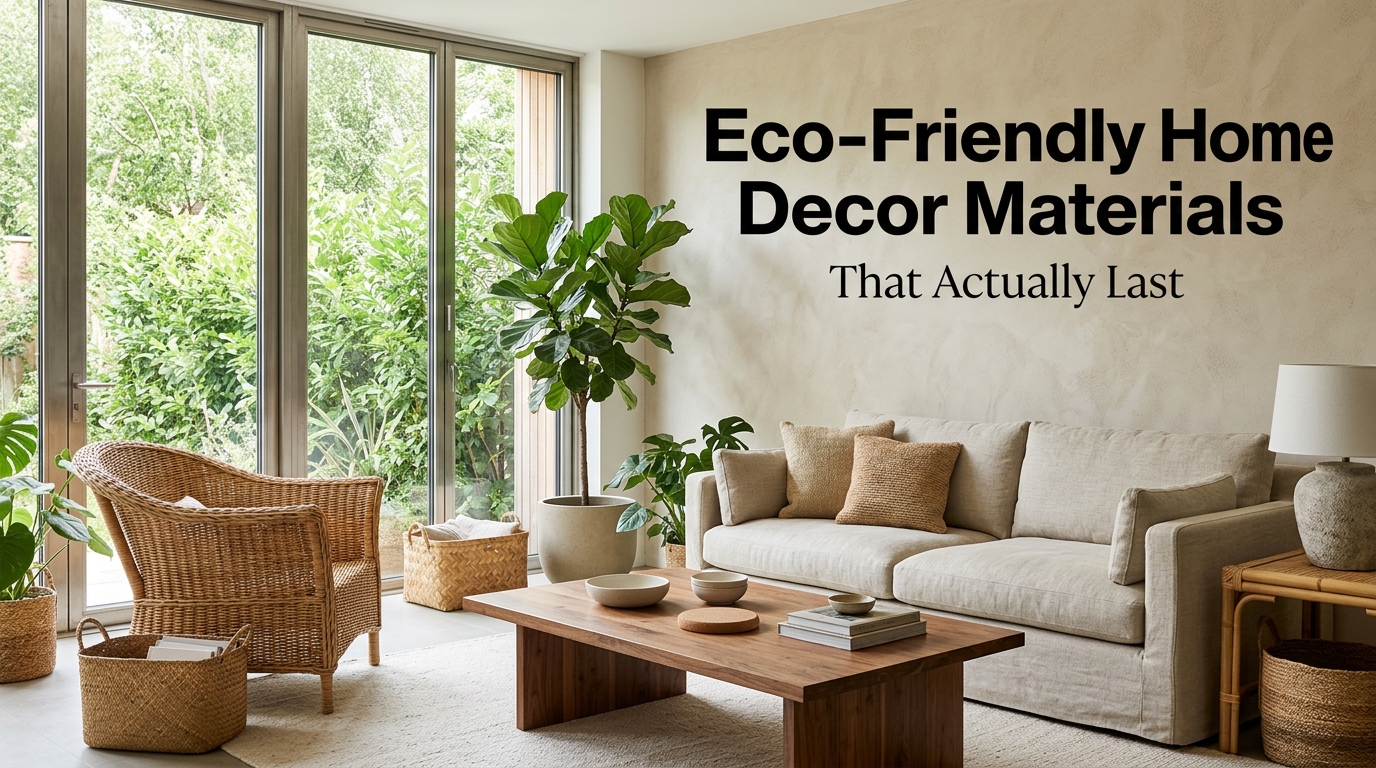
Sustainability sounds good in theory. But in real homes, durability matters just as much.
A lot of so-called eco decor products look great at first, then wear out within a year. That leads to more replacements, more waste, and more money spent. That is not sustainable.
If you want to make smarter decisions, you need to focus on eco friendly home decor materials that hold up over time. Materials that can handle daily use, changing temperatures, and real-life wear.
From what I have seen working with homeowners, the difference between a good material and a bad one shows up after six months, not on day one.
This guide breaks down what actually works, what to avoid, and how to choose eco friendly materials for home decor that last.
What Are the Best Eco Friendly Home Decor Materials?
The best eco friendly home decor materials are those that are renewable, non-toxic, and durable enough to last for years. The most reliable options include reclaimed wood, natural stone, bamboo, recycled metal, cork, and organic fabrics.
The key is not just sustainability. It is longevity.
What Most People Get Wrong About Eco-Friendly Materials
Here is the hard truth.
Many “eco-friendly” products are not built to last.
Common problems:
- Low-quality bamboo that warps
- Thin recycled wood that cracks
- Cheap fabrics that fade quickly
- Decorative materials that cannot handle daily use
The biggest mistake homeowners make is choosing based on labels instead of performance.
If a material needs replacing every two years, it is not eco-friendly. It is just marketed that way.
Quick Comparison: Which Materials Are Actually Worth It
| Material | Durability | Cost Level | Maintenance | Best Use Case |
| Reclaimed Wood | High | Medium | Low | Furniture, shelves |
| Natural Stone | Very High | High | Very Low | Kitchen, flooring |
| Bamboo | Medium | Low | Medium | Light furniture |
| Recycled Metal | Very High | Medium | Low | Decor, frames |
| Cork | Medium | Medium | Low | Walls, flooring |
| Organic Fabric | Medium | Medium | Medium | Upholstery |
👉 If you want long-term value, focus on stone, wood, and metal first.
1. Reclaimed Wood Home Decor (Best Overall Choice)
Why It Works
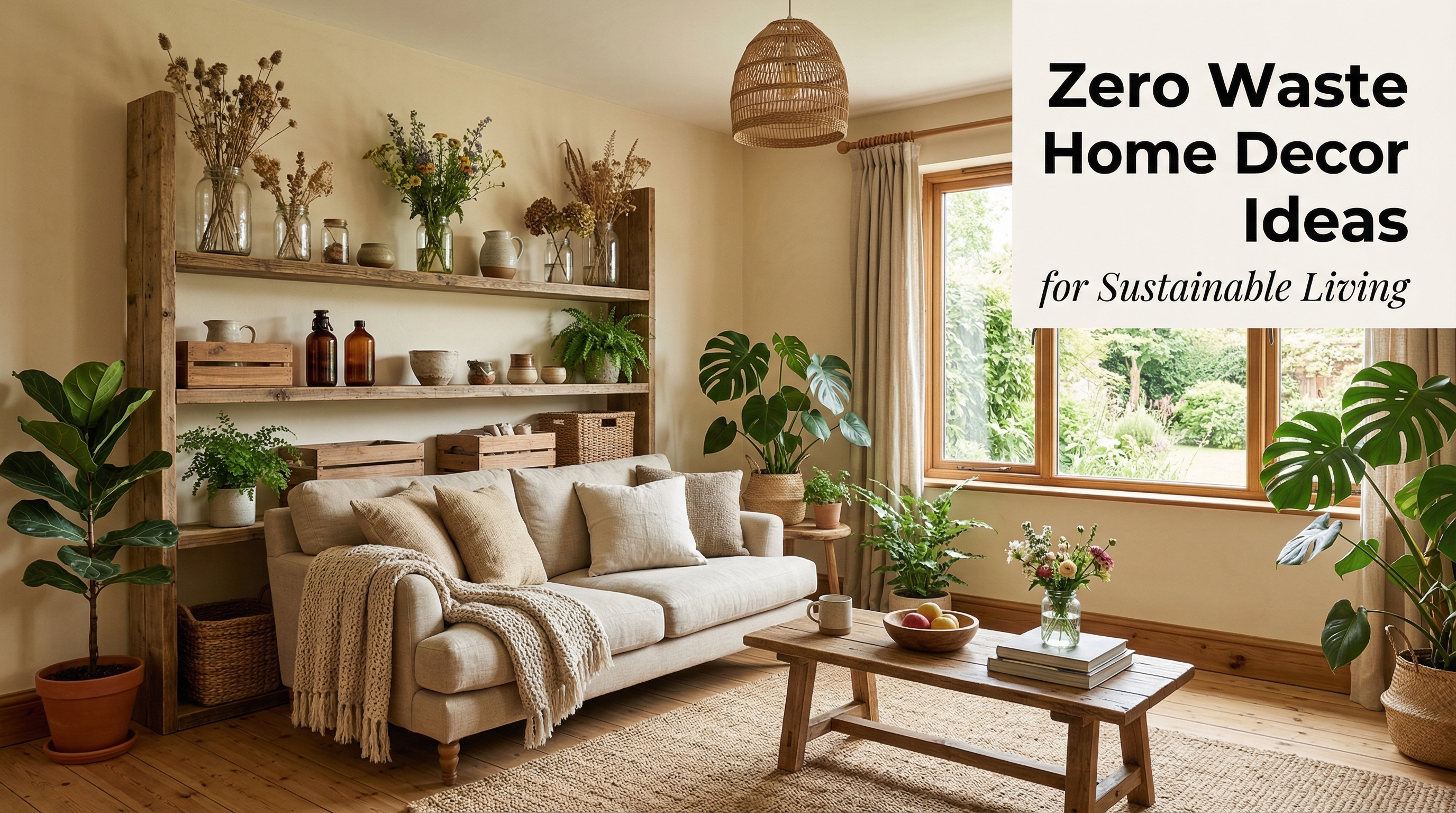
Reclaimed wood has already gone through years of expansion and contraction. That makes it more stable than new wood.
Where It Performs Best
- Dining tables
- Shelving
- Accent walls
- Coffee tables
When to Avoid
- Areas with constant moisture unless sealed properly
Real Insight
In multiple projects I have seen, reclaimed wood furniture outlast cheaper engineered wood by several years.
2. Natural Stone Based Home Decor (Longest Lifespan Material)
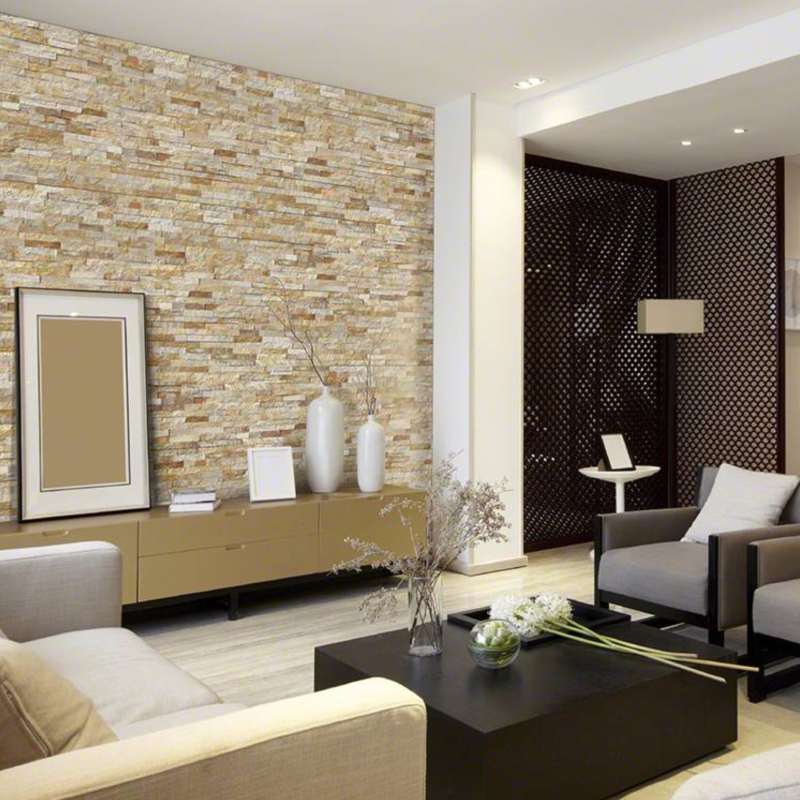
Why It Works
Stone can last decades without losing strength or appearance.
Best Applications
- Countertops
- Flooring
- Feature walls
Cost Reality
Higher upfront cost, but often the cheapest long-term option.
When to Avoid
- Budget-sensitive projects
- Upper wall installations due to weight
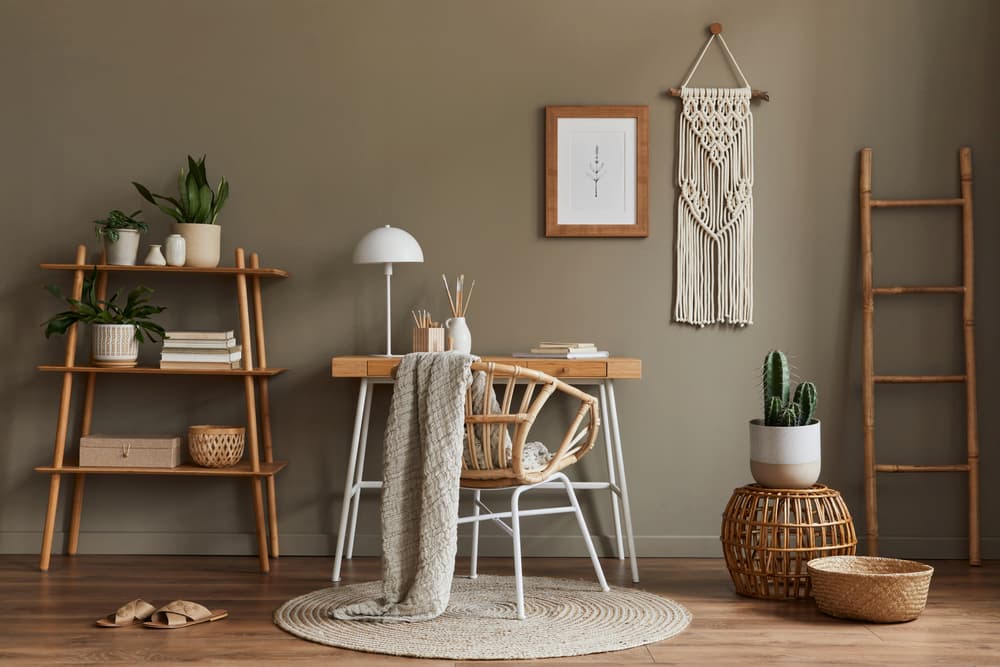
3. Bamboo Based Home Decor (Best Budget Eco Option)
Why It Works
Bamboo grows quickly and is widely available, making it one of the most renewable materials.
Best Uses
- Light furniture
- Shelving
- Decorative panels
When Bamboo Fails
- Low-quality bamboo warps easily
- Not ideal for heavy-duty furniture
👉 Always check quality before buying.
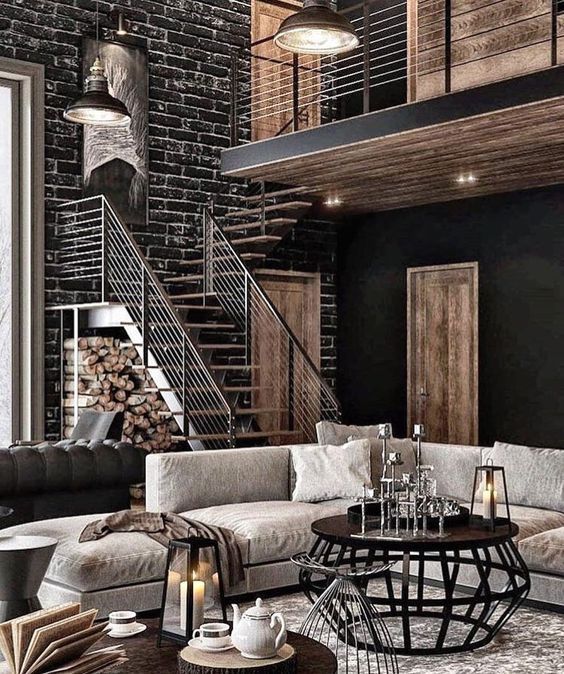
4. Recycled Metal Home Decor (Most Durable Decor Option)
Why It Works
Metal does not crack, warp, or degrade easily.
Best Uses
- Furniture frames
- Lighting
- Decorative accents
Long-Term Advantage
This is one of the few materials that can last decades with almost no maintenance.
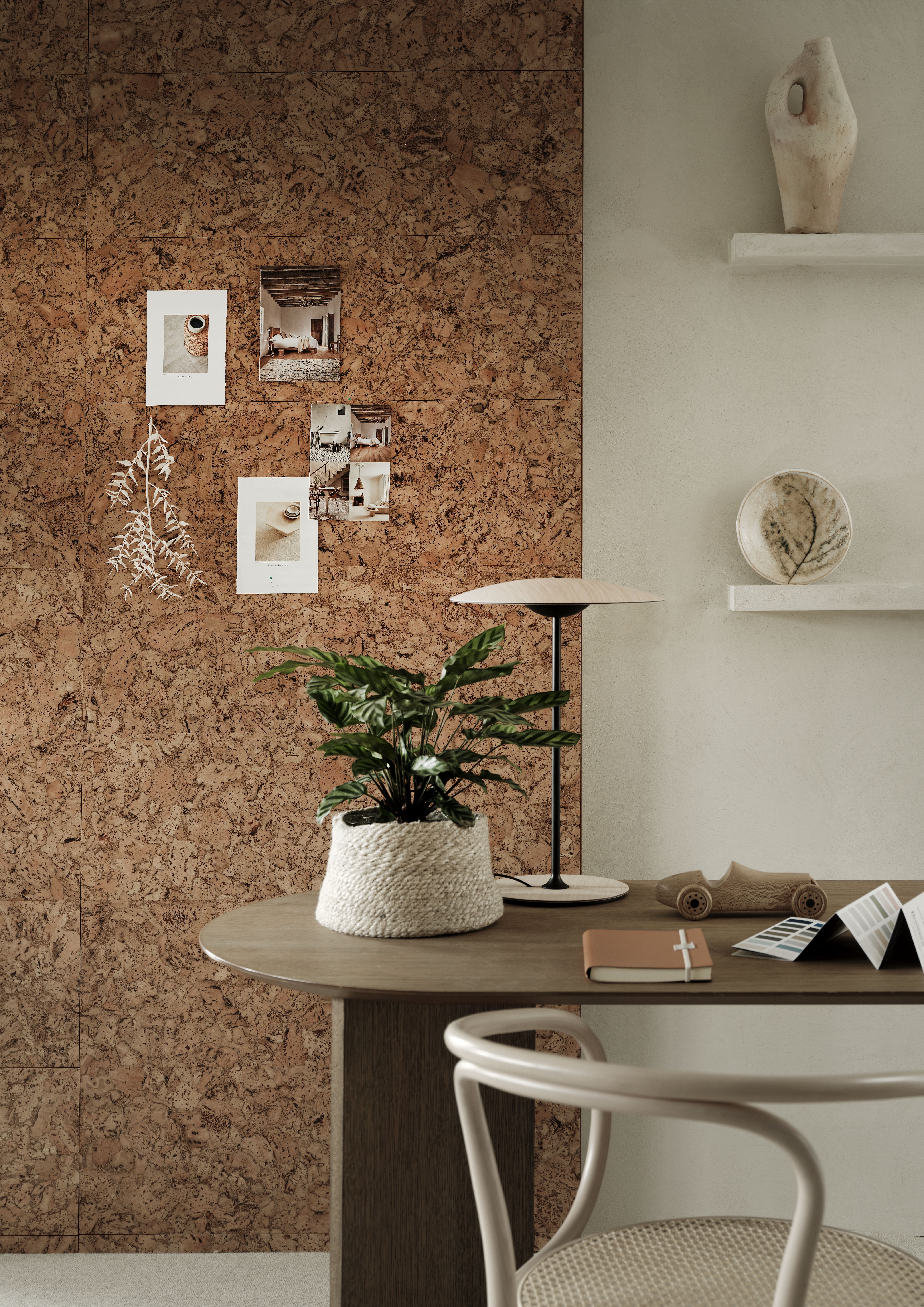
5. Cork Material Home Decor (Best for Apartments and Noise Control)
Why It Works
Cork is harvested without cutting trees and has natural insulation properties.
Best Applications
- Wall panels
- Flooring
- Acoustic spaces
Where It Shines
Apartments where noise reduction matters.
6. Organic Fabrics Based Home Decor (Best for Comfort and Safety)
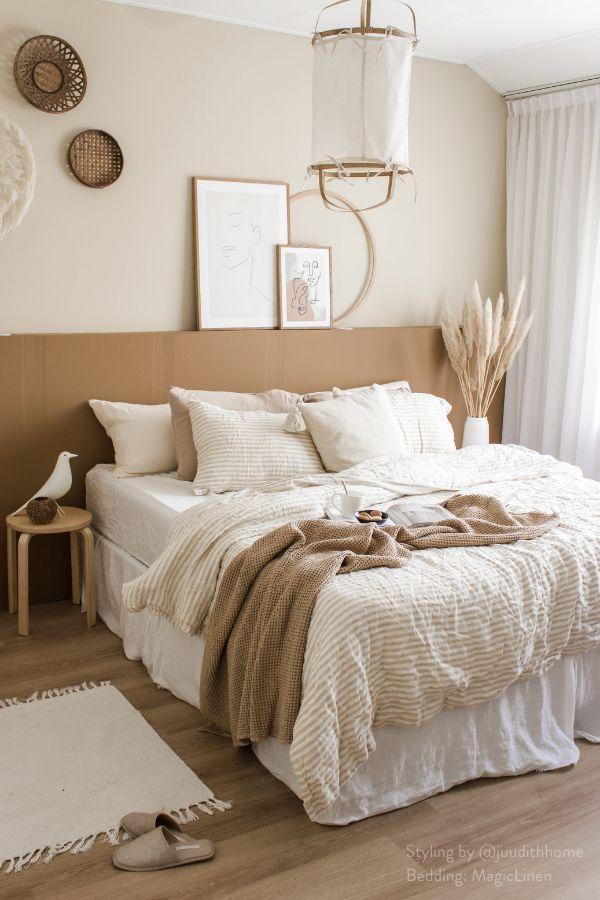
Why It Works
Free from harmful chemicals and biodegradable.
Best Uses
- Curtains
- Upholstery
- Bedding
Watch Out
Cheap organic fabrics wear out quickly. Quality matters here
Best Eco Friendly Materials by Room
Living Room
- Reclaimed wood furniture
- Linen upholstery
- Metal accents
Kitchen
- Natural stone countertops
- Recycled glass tiles
- Metal fixtures
Bedroom
- Organic cotton bedding
- Wooden furniture
- Cork accents
Bathroom
- Stone surfaces
- Bamboo accessories
- Moisture-resistant wood
👉 This is where most blogs fail. Material choice should always match room conditions.
My Experience Says
One homeowner I worked with tried to go fully eco-friendly using budget materials. Within a year, several items had to be replaced.
Later, they switched to fewer but higher-quality materials like wood and stone. The result lasted longer and required less maintenance.
Sustainability is not about buying more eco products. It is about buying fewer, better ones.
Common Mistakes That Waste Money
Avoid these:
- Choosing cheap eco materials that degrade quickly
- Ignoring durability in high-use areas
- Mixing too many materials without a plan
- Believing marketing labels without checking quality
The biggest mistake is prioritizing “eco” over performance.
How to Choose the Right Eco Friendly Materials
Step 1: Prioritize durability first
Step 2: Match material to room conditions
Step 3: Invest in fewer, higher-quality pieces
Step 4: Avoid trend-based purchases
👉 This is how you build a home that lasts.
Final Thoughts on Eco Friendly Home Decor Materials
The real goal of using eco friendly home decor materials is not just reducing environmental impact. It is creating a home that does not need constant replacement.
The most effective materials combine sustainability with durability. When chosen correctly, they reduce waste, save money, and improve how your home performs over time.
If you focus on long-term value instead of short-term trends, your design decisions will always be better.
FAQs
What is the most durable eco-friendly material?
Natural stone and reclaimed wood are among the most durable options
Are eco-friendly materials worth the cost?
Yes, because they last longer and reduce replacement costs
Is bamboo better than wood?
Bamboo is more renewable, but high-quality wood often lasts longer
How do I avoid fake eco-friendly products?
Focus on durability, material quality, and real-world performance, not just labels