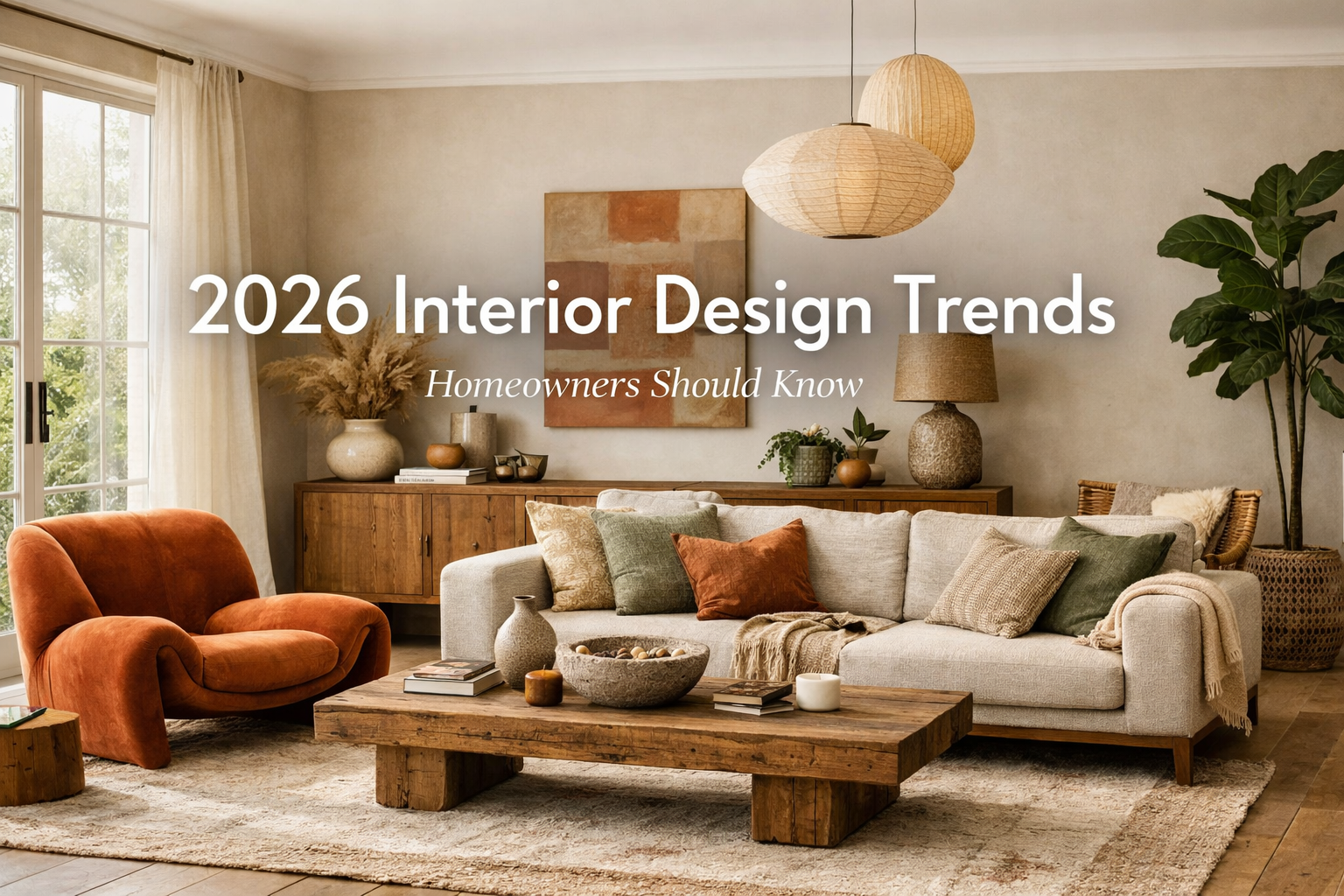
Interior design evolves every year as lifestyles, technology, and sustainability priorities continue to shape how homes look and function. In 2026, homeowners are moving toward spaces that feel more personal, natural, and functional rather than overly polished or purely decorative.
Many of the 2026 interior design trends focus on comfort, sustainability, and emotional connection to the home environment. Designers are prioritizing warm materials, organic shapes, natural lighting, and layouts that make everyday living easier.
If you’re planning to update your home or simply stay ahead of design trends, understanding what’s shaping interiors in 2026 can help guide smarter decorating decisions.
What Are the Top Interior Design Trends for 2026?
The most influential 2026 interior design trends focus on natural materials, biophilic elements, earthy color palettes, multi-functional spaces, and sustainable home decor. These trends emphasize comfort, wellness, and practical living while maintaining modern style.
Let’s explore the trends that are expected to define homes throughout 2026.
1. Biophilic Design Continues to Grow
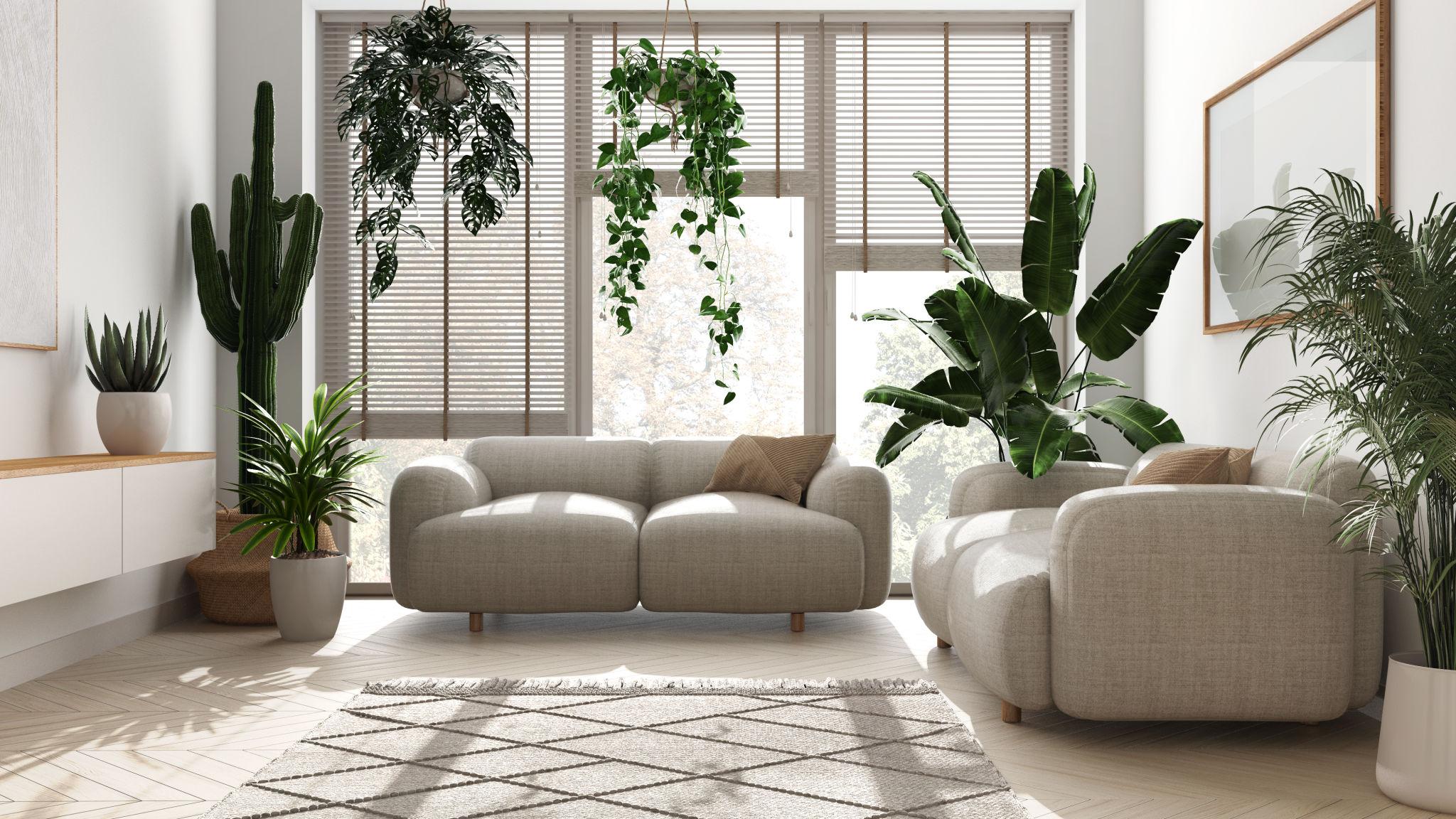
One of the most influential 2026 interior design trends is the continued rise of biophilic design.
This concept focuses on strengthening the connection between indoor environments and nature.
Common Biophilic Design Elements
- Indoor plants and green walls
- Natural wood furniture
- Stone textures
- Large windows with natural light
Homes designed with biophilic elements often feel calmer and more inviting.
2. Warm Earthy Color Palettes
Neutral colors are evolving beyond plain white and gray.
In 2026, designers are embracing warm, earthy tones that create a comfortable atmosphere.
Trending Color Palettes
- Terracotta
- Olive green
- Warm beige
- Clay tones
- Soft browns
These colors reflect natural landscapes and pair well with organic materials.
3. Curved and Organic Furniture Shapes
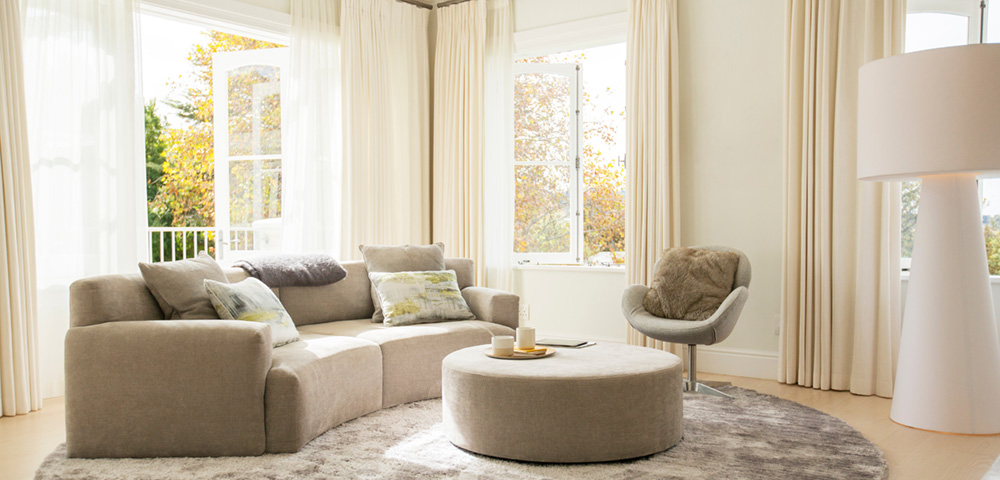
Sharp edges and rigid shapes are slowly giving way to softer, organic designs.
Curved furniture helps create a more relaxed and inviting interior.
Examples of Curved Design
- Rounded sofas
- Oval coffee tables
- Arched doorways
- Sculptural chairs
These shapes mimic natural forms, which align well with biophilic design trends.
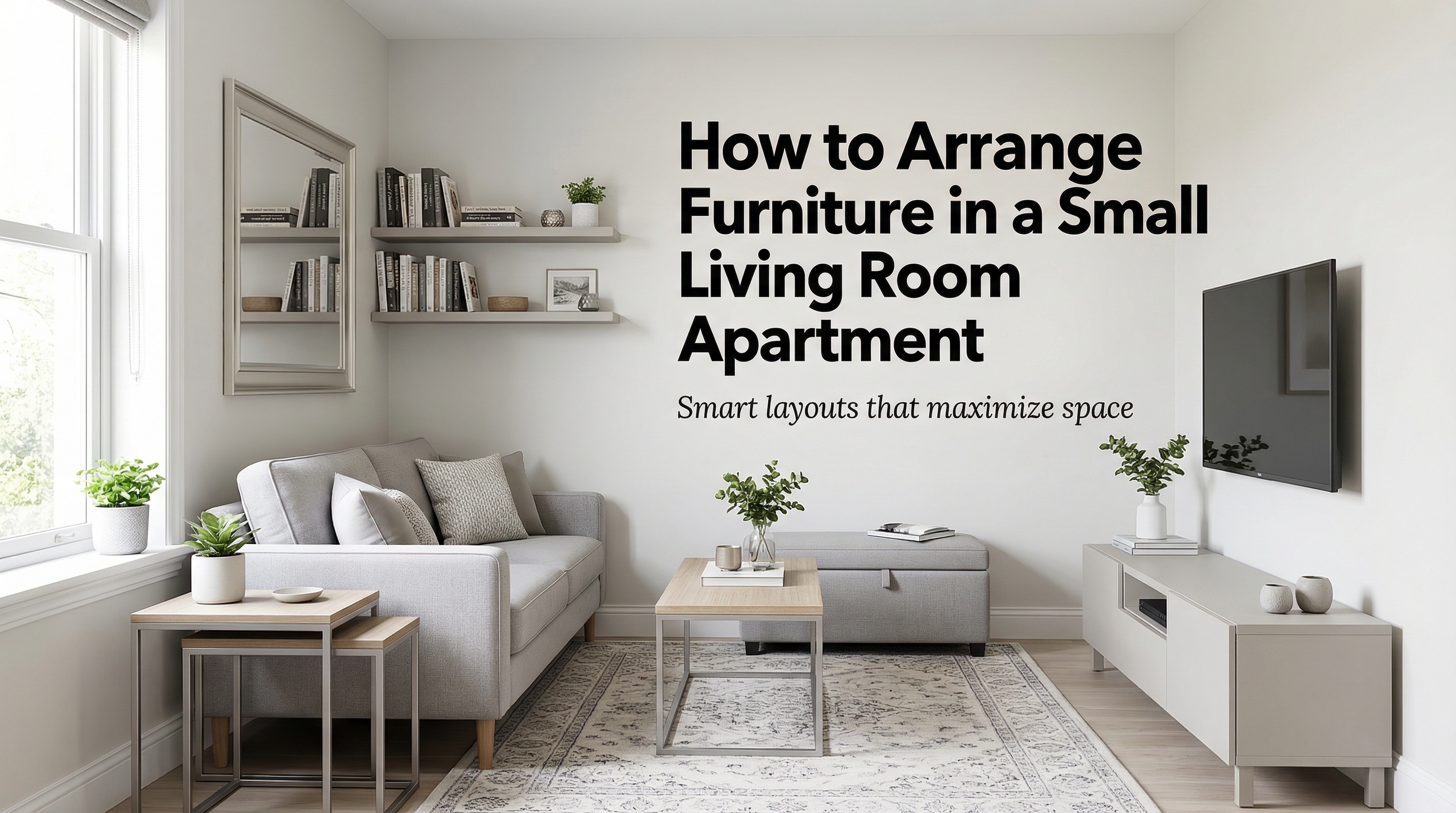
4. Multi-Functional Living Spaces
As remote work and flexible living continue, homes are adapting to serve multiple purposes.
Popular Multi-Use Spaces
- Living room + workspace
- Guest room + home office
- Kitchen islands used as workstations
Furniture that offers storage or dual functionality is becoming increasingly popular.
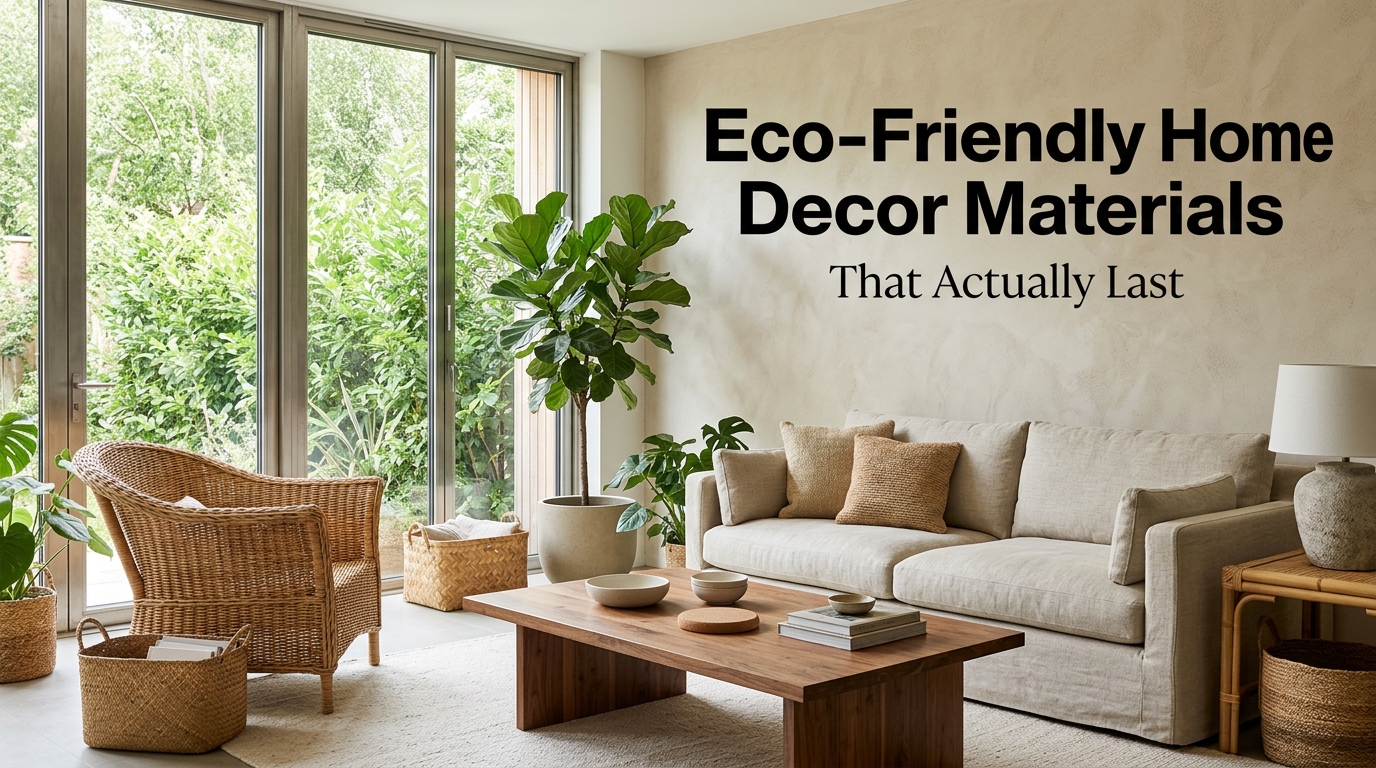
5. Sustainable Materials and Eco-Friendly Decor
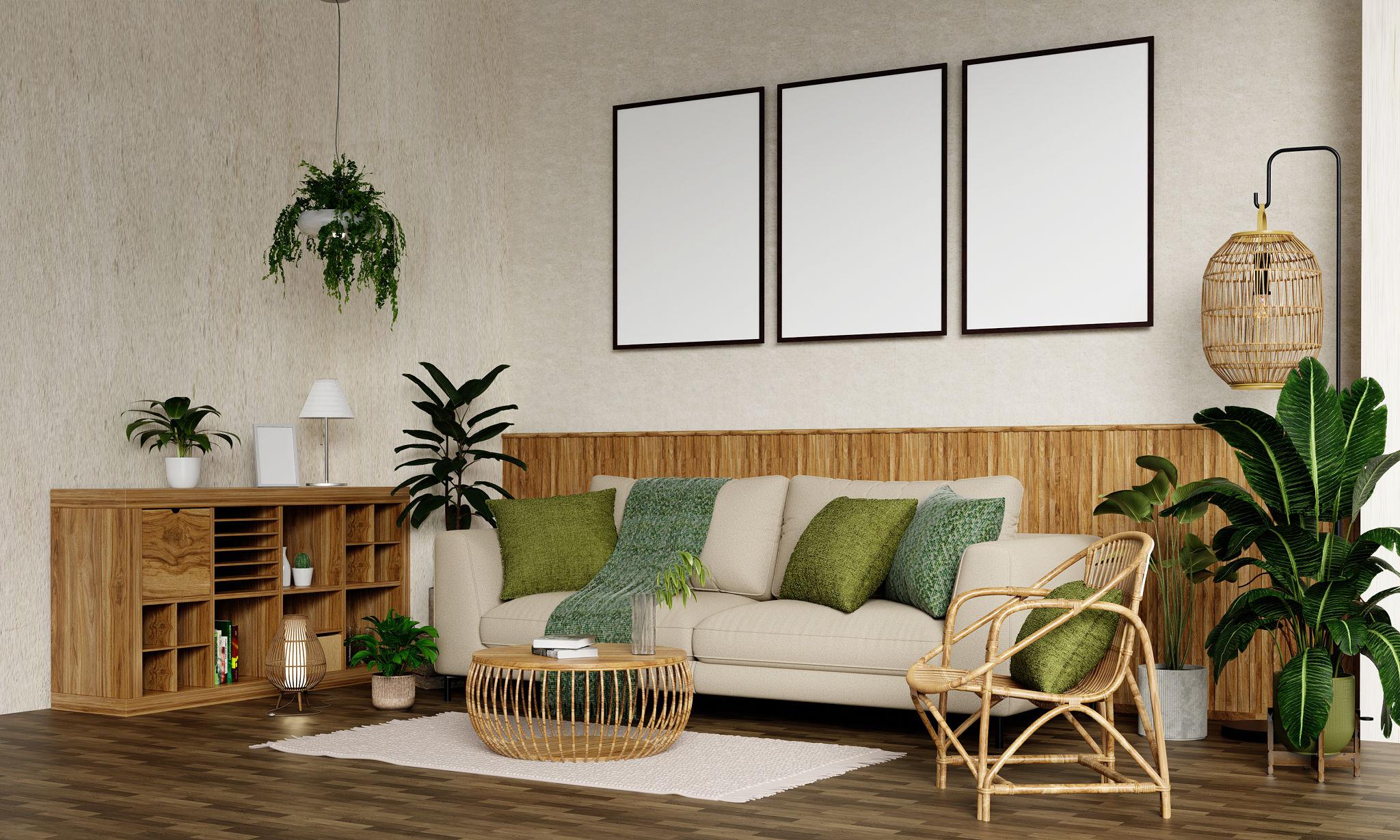
Sustainability continues to shape modern design decisions.
Many homeowners now prefer materials that are environmentally responsible.
Sustainable Material Trends
- Reclaimed wood
- Bamboo furniture
- Natural stone
- Recycled materials
Eco-friendly decor choices also align with long-term durability and quality.
6. Statement Lighting Fixtures
Lighting is no longer just functional, it has become a focal design element.
Large sculptural lighting fixtures are expected to dominate interior spaces in 2026.
Examples include:
- Oversized pendant lights
- Sculptural chandeliers
- Minimalist LED lighting designs
Statement lighting adds personality to a room while enhancing its ambiance.
7. Textured Walls and Surfaces
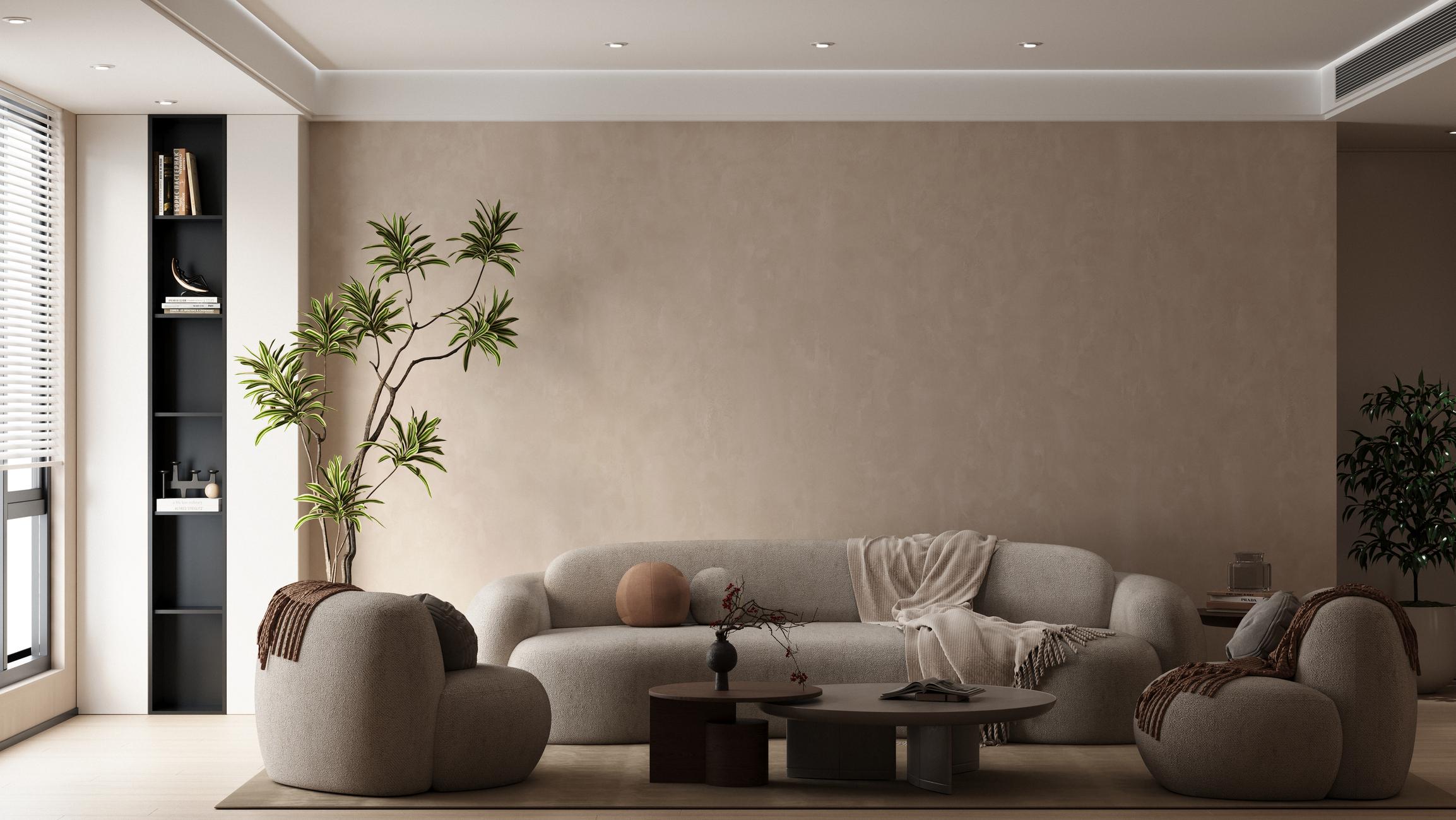
Flat painted walls are being replaced with more visually interesting surfaces.
Popular texture techniques include:
- Limewash finishes
- Decorative plaster walls
- Textured wallpapers
- Wood paneling
These surfaces create depth and character within a room.
8. Personalized Interiors
Another important 2026 interior design trend is moving away from “perfect showroom homes.”
Homeowners are prioritizing individuality and personal expression.
Ways People Personalize Interiors
- Displaying personal collections
- Mixing vintage and modern furniture
- Using custom artwork
- Choosing meaningful decor pieces
Homes are becoming more reflective of the people who live in them.
My Insight
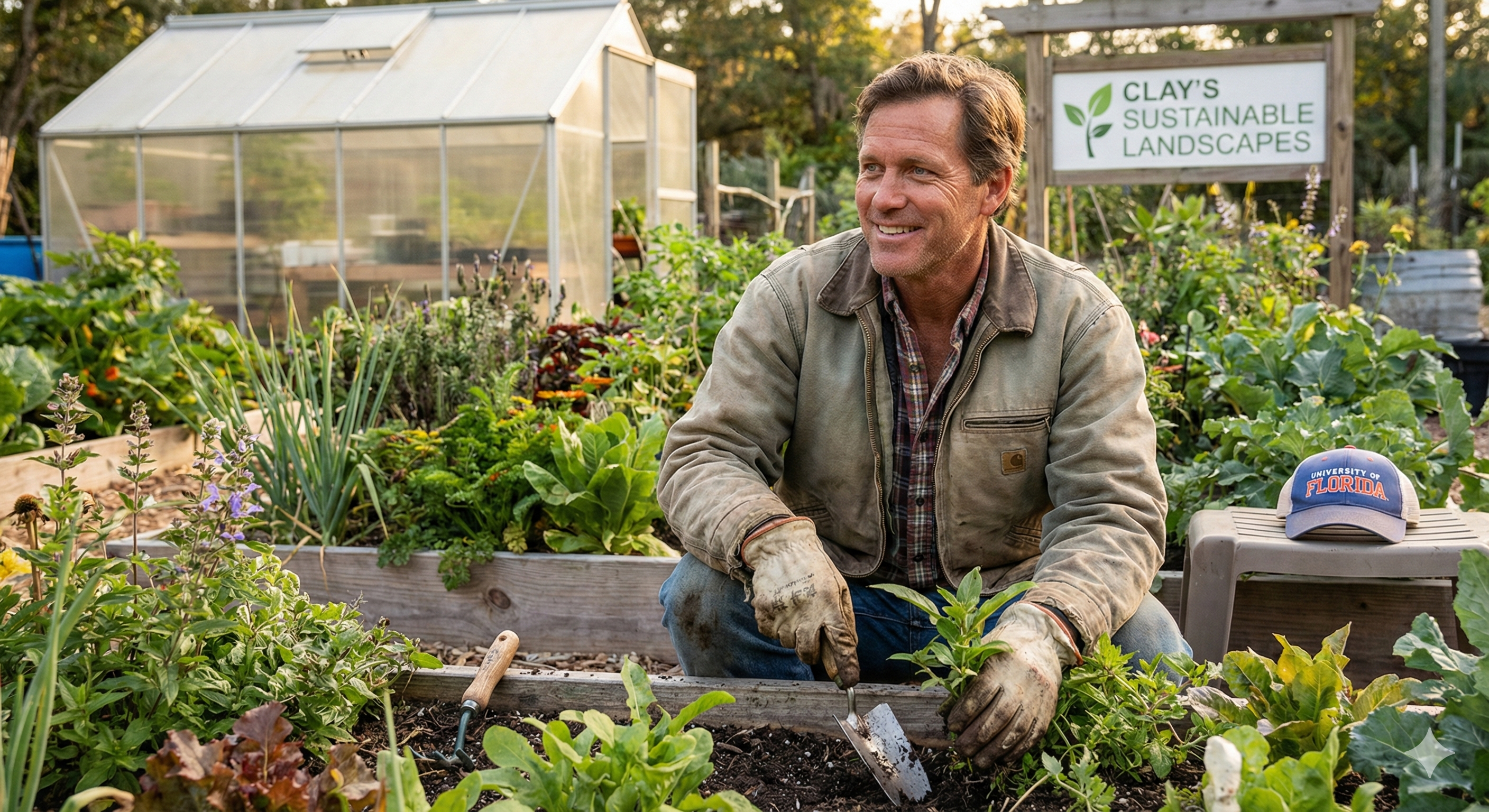
While my expertise primarily focuses on outdoor landscapes, interior trends often mirror the same ideas shaping modern gardens.
Homeowners increasingly want environments that feel natural and restorative. In one project I worked on, a homeowner redesigned their living space with large windows overlooking their garden, natural wood finishes, and indoor plants. The transformation made the space feel dramatically more relaxing compared to the original design.
This growing desire for nature-inspired spaces is one of the reasons many 2026 interior design trends lean heavily toward organic materials and calming environments.
Common Interior Design Mistakes to Avoid in 2026
While trends can be helpful, blindly following them can sometimes create design issues.
Common mistakes include:
- Overusing trendy colors without balance
- Ignoring lighting when designing spaces
- Choosing style over comfort
- Copying trends without adapting them to your home
The best interiors combine trend awareness with personal lifestyle needs.
Final Thoughts on 2026 Interior Design Trends
The biggest takeaway from 2026 interior design trends is the shift toward homes that prioritize comfort, sustainability, and emotional well-being.
Designers are moving away from purely aesthetic choices and focusing more on how spaces feel and function.
By incorporating natural materials, organic shapes, and flexible living spaces, homeowners can create interiors that feel modern yet timeless.
What colors are trending in interior design for 2026?
Warm earthy tones such as terracotta, olive green, and warm beige are expected to dominate.
Is minimalism still popular in 2026?
Yes, but it’s evolving into a warmer style that incorporates natural textures and softer colors.
Are sustainable materials important in modern interior design?
Yes. Sustainability is a major focus for both homeowners and designers.
What furniture styles are trending in 2026?
Curved furniture and organic shapes are becoming increasingly popular.