Most sustainable landscaping advice sounds good until you try it.
“Use less water.”
“Plant native species.”
“Go organic.”
But here is what actually happens in real yards. Plants still struggle. Water bills stay high. Maintenance does not drop.
The issue is not the idea of sustainability. It is the execution.
Real sustainability is not about adding eco-friendly features. It is about building a system where soil, water, and plants work together efficiently.
If you apply the right sustainable landscaping practices, you can reduce maintenance, lower water use, and create a landscape that improves over time instead of declining.
What Are Sustainable Landscaping Practices?
Sustainable landscaping practices focus on reducing water usage, improving soil health, selecting climate-adapted plants, and minimizing chemical inputs. The most effective systems combine these elements to create long-term, low-maintenance landscapes.
What Most “Sustainable” Landscapes Get Wrong
Before you follow any checklist, understand this:
Most failures come from incomplete systems.
- Installing drip irrigation without improving the soil
- Using native plants, but overwatering them
- Adding mulch but ignoring plant spacing
- Mixing plants with different water needs
I have seen landscapes labelled “eco-friendly” fail within one season because the system was not balanced.
Priority System: What Matters Most (Start Here First)
If you only focus on one thing, make it this:
1. Soil Health (Highest Impact)
Controls water retention, root growth, and plant survival
2. Water Efficiency
Reduces waste and improves plant consistency
3. Plant Selection
Matches your environment and reduces maintenance
4. Mulching and Protection
Supports everything above
Most homeowners start with plants. The correct order is soil → water → plants.
ROI Breakdown: What Gives the Best Results for Your Money
Practice Cost Impact Long-Term Savings
Soil Improvement Low Very High Extremely High
Mulching Low High High
Native Plants Medium High High
Irrigation Upgrade Medium High Medium
Lawn Reduction Medium Very High Very High
Soil and mulch give the fastest return with the lowest investment.
1. Native Plant Landscaping (Backed by Ecology Research)
What Research Shows
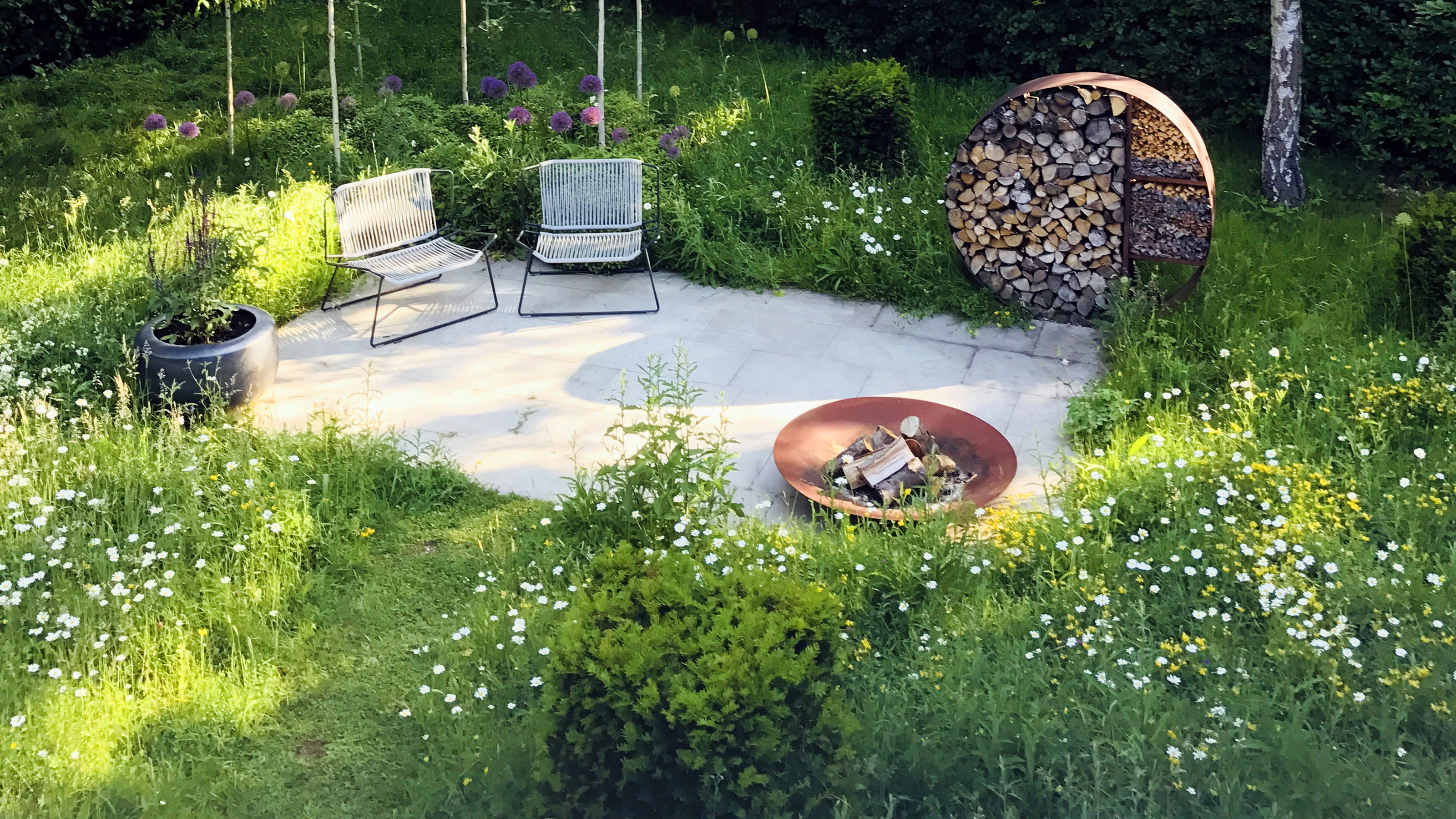
Environmental studies show native plants require significantly less water and fewer inputs once established.
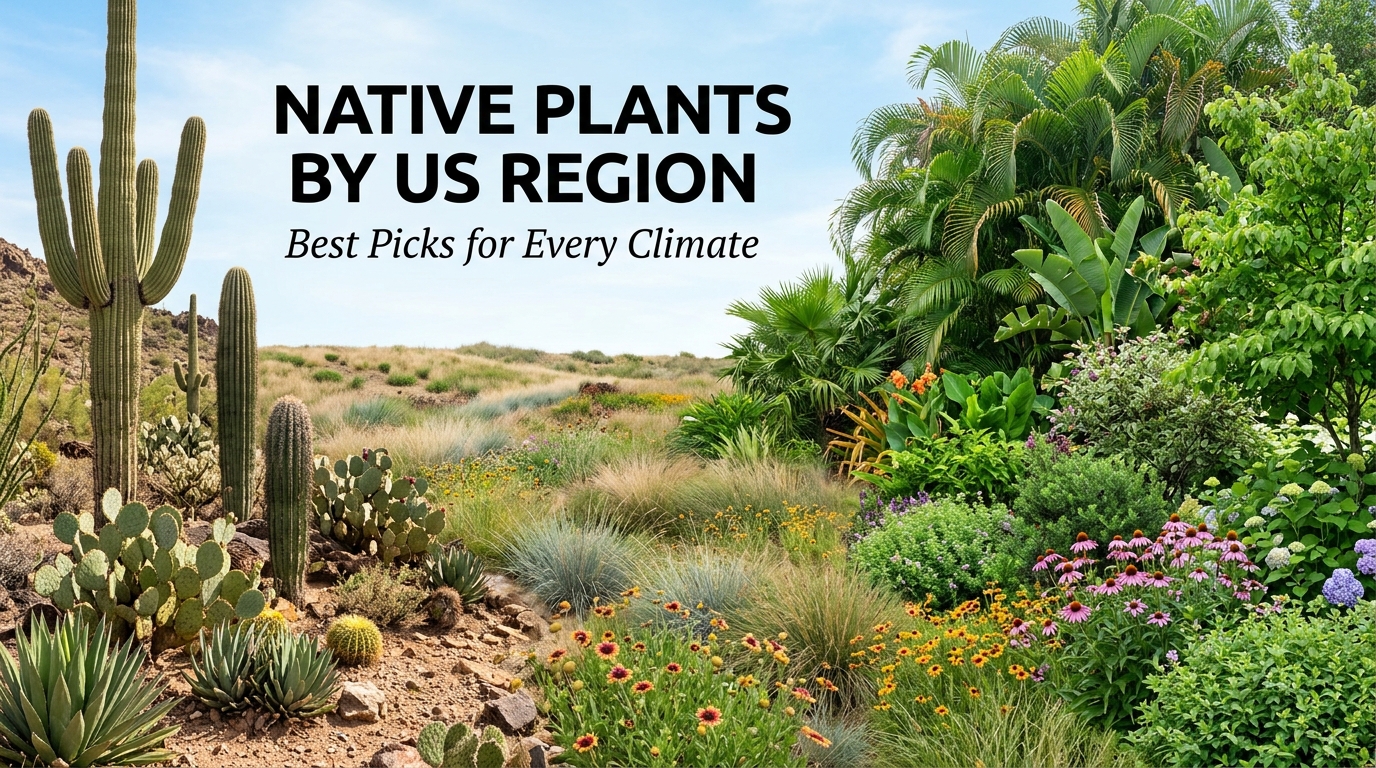
Real Examples by Region
- Florida: Firebush, Coontie, Coreopsis
- California: Sage, Manzanita, California poppy
- Midwest: Milkweed, Switchgrass, Coneflower
- Southwest: Agave, Yucca, Desert marigold
Why It Works
Plants adapted to local conditions naturally perform better with less intervention.
When It Fails
- Wrong sunlight placement
- Overwatering
- Poor soil
2. Efficient Irrigation Systems (Proven Water Savings)
Research Insight
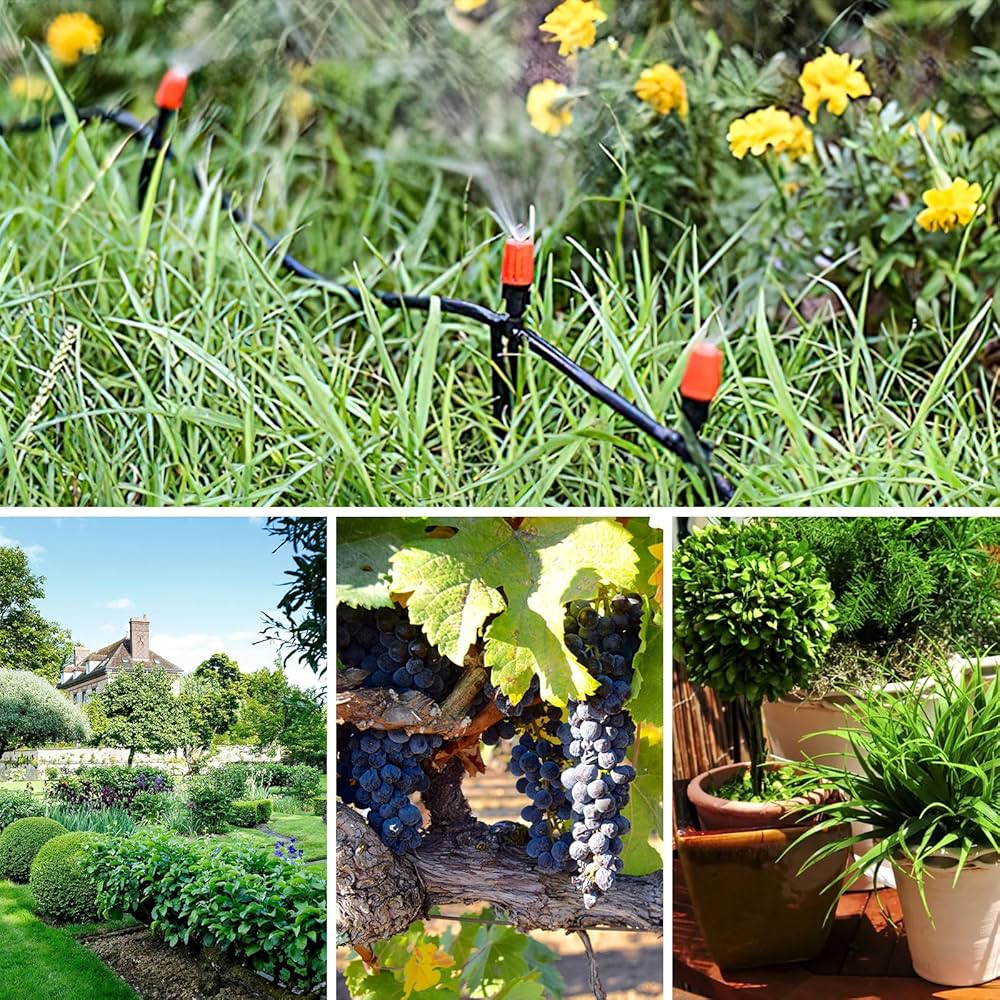
Drip irrigation can reduce water use by 30 to 50 per cent compared to traditional sprinklers.
Best Systems
- Drip irrigation for plant beds
- Smart controllers for lawns
- Soaker hoses for small gardens
Key Rule
Water deeply and less frequently. Efficiency matters more than volume.
3. Soil Health Improvement (The Foundation of Everything)
What Research Shows
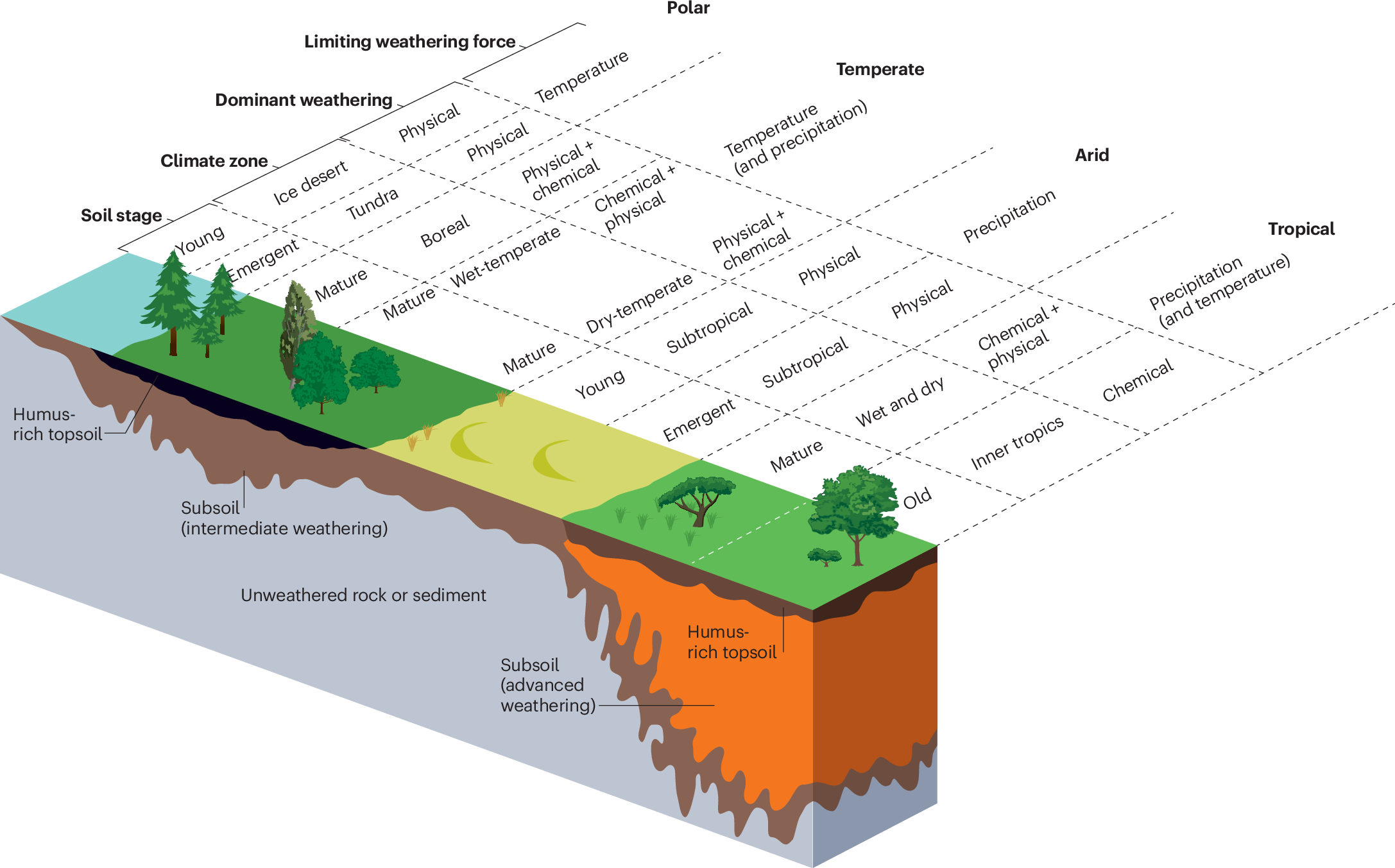
Soil rich in organic matter retains significantly more moisture and supports stronger root systems.
What to Do
- Add compost regularly
- Improve drainage
- Avoid compaction
Real Outcome
After improving soil, many homeowners reduce watering frequency by up to 20 to 30 per cent.
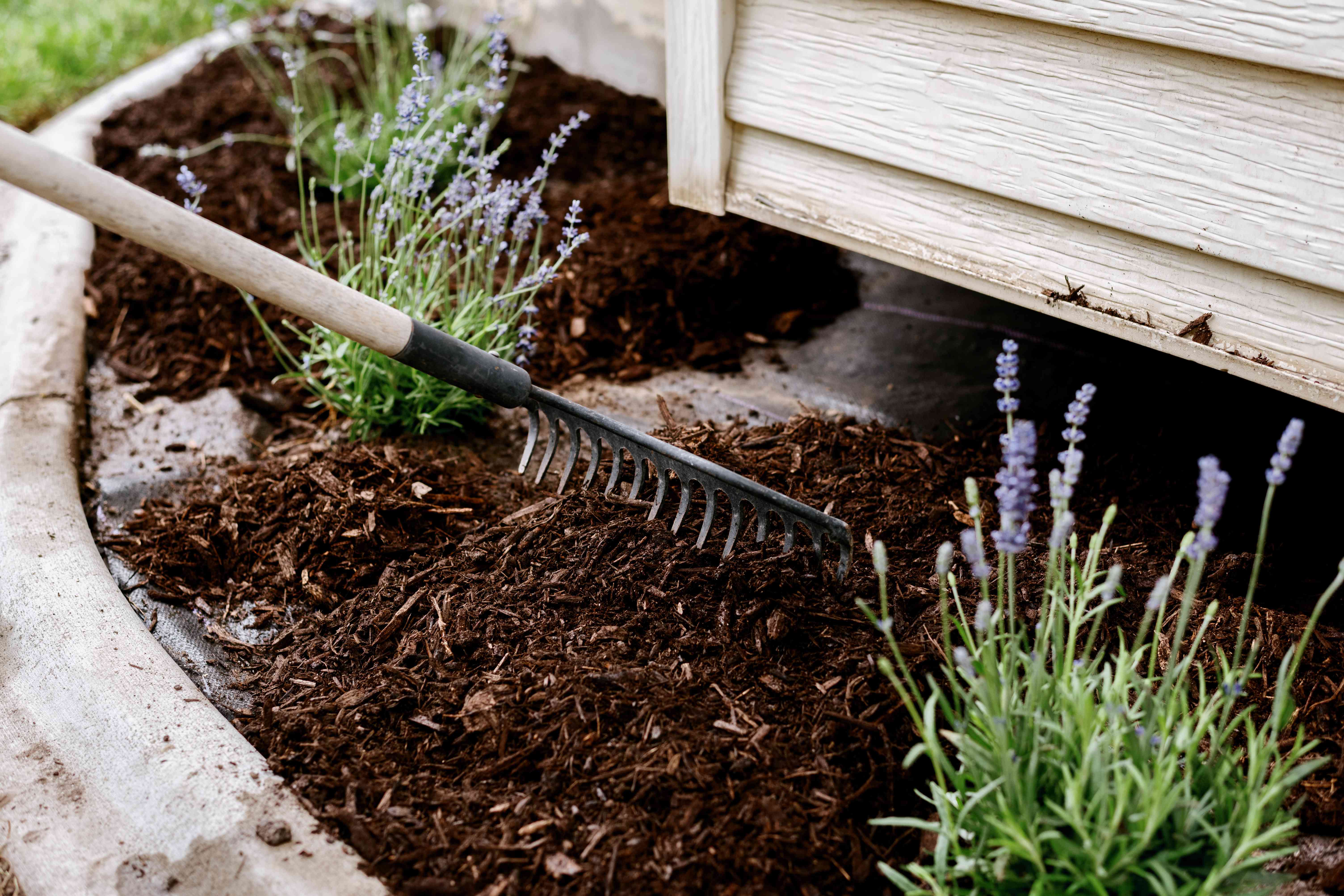
4. Mulching for Moisture and Protection
Research Insight
Mulch reduces water evaporation by up to 25 per cent.
Best Materials
- Wood chips
- Bark mulch
- Organic compost
Bonus Benefit
Also reduces weed growth and soil temperature fluctuations.
5. Reducing Chemical Inputs (Long-Term Soil Health)
Why It Matters
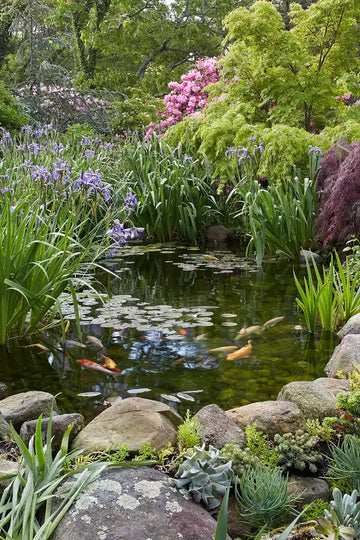
Chemical overuse disrupts soil biology and weakens plant resilience over time.
Better Approach
- Use natural pest control
- Focus on plant health
- Improve soil instead of relying on fertilizers
6. Lawn Reduction (Highest Water-Saving Strategy)
Why It Works
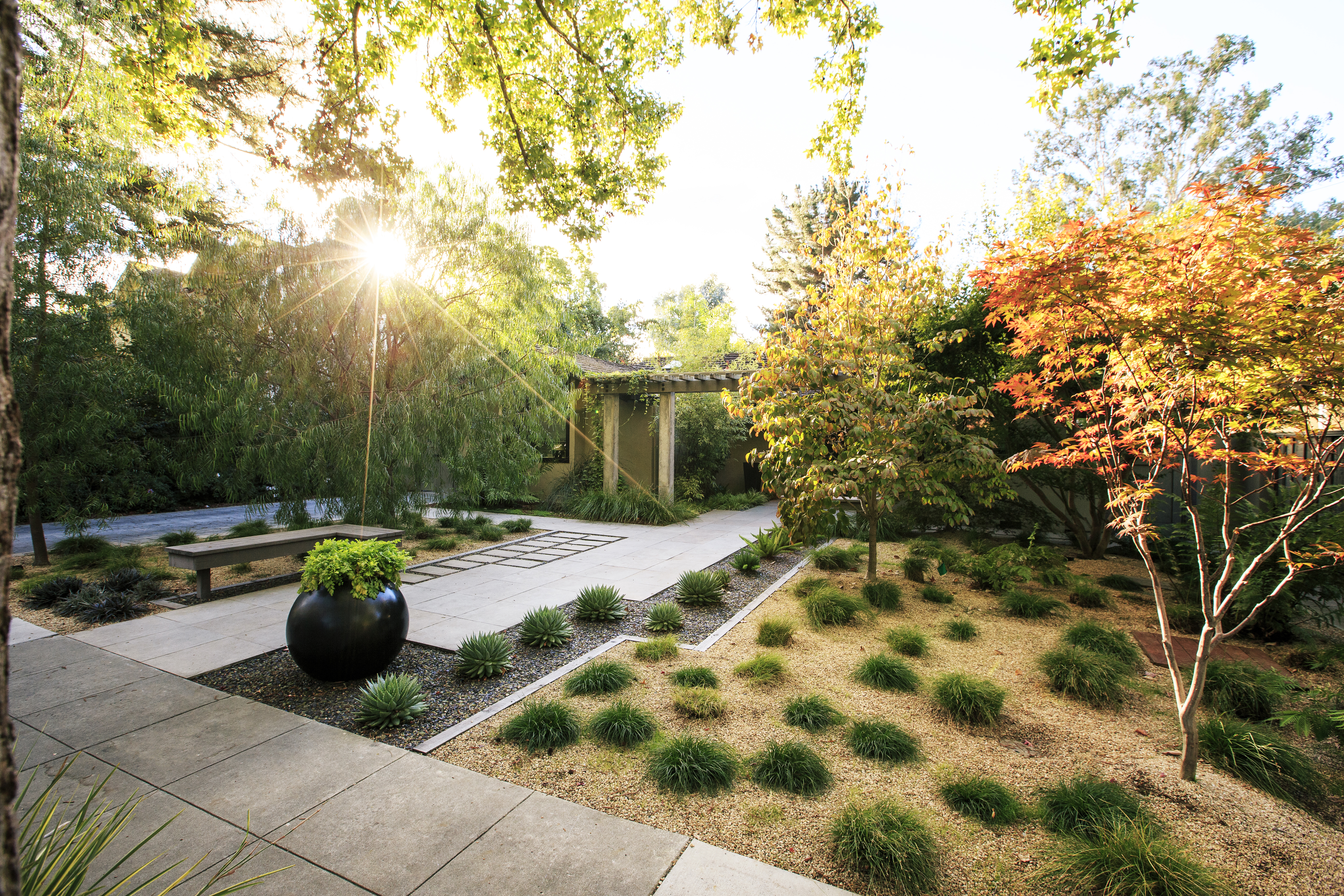
Traditional lawns are one of the most water-intensive parts of a landscape.
Alternatives
- Native plant beds
- Gravel landscaping
- Ground cover plants
Real Impact
Reducing lawn size can cut outdoor water use by up to 50 per cent.
What Results You Can Expect (Real Outcomes)
If you apply these practices correctly:
Within 1 to 3 months
- Better soil moisture retention
- Healthier plant growth
Within 3 to 6 months
- Reduced watering needs
- Lower maintenance time
Within 1 year
- Noticeably lower water bills
- More stable, self-sustaining landscape
My Experience Says
One homeowner I worked with installed a drip irrigation system, expecting immediate results. But water kept running off, and plants struggled.
The issue was compacted soil.
We added organic matter and improved soil structure. Within weeks, water absorption improved and plant health stabilized.
This is something I see repeatedly. Soil determines whether every other upgrade works or fails.
Common Mistakes That Undermine Sustainability
Avoid these:
- Starting with plants instead of soil
- Overwatering drought-tolerant species
- Mixing plants with different needs
- Ignoring drainage
How to Start (Step-by-Step System)
Step 1: Improve the soil first
Step 2: Install an efficient watering system
Step 3: Choose native or climate-adapted plants
Step 4: Add mulch
Step 5: Monitor and adjust
Build the system, not just the design.
Wrapping Notes on Sustainable Landscaping Practices
The most effective sustainable landscaping practices are not complicated. They are structured.
When soil, water, and plant selection are aligned, your landscape becomes easier to maintain, more resilient, and more cost-effective over time.
Focus on systems, not shortcuts.
That is what makes sustainability actually work.
FAQs
What is the most important sustainable landscaping practice?
Improving soil health has the biggest long-term impact.
How long does it take to see results?
Most improvements are visible within a few months.
Is removing grass necessary?
Not always, but reducing lawn areas has the biggest water-saving impact.
Do sustainable landscapes reduce water bills?
Yes, especially with native plants and efficient irrigation