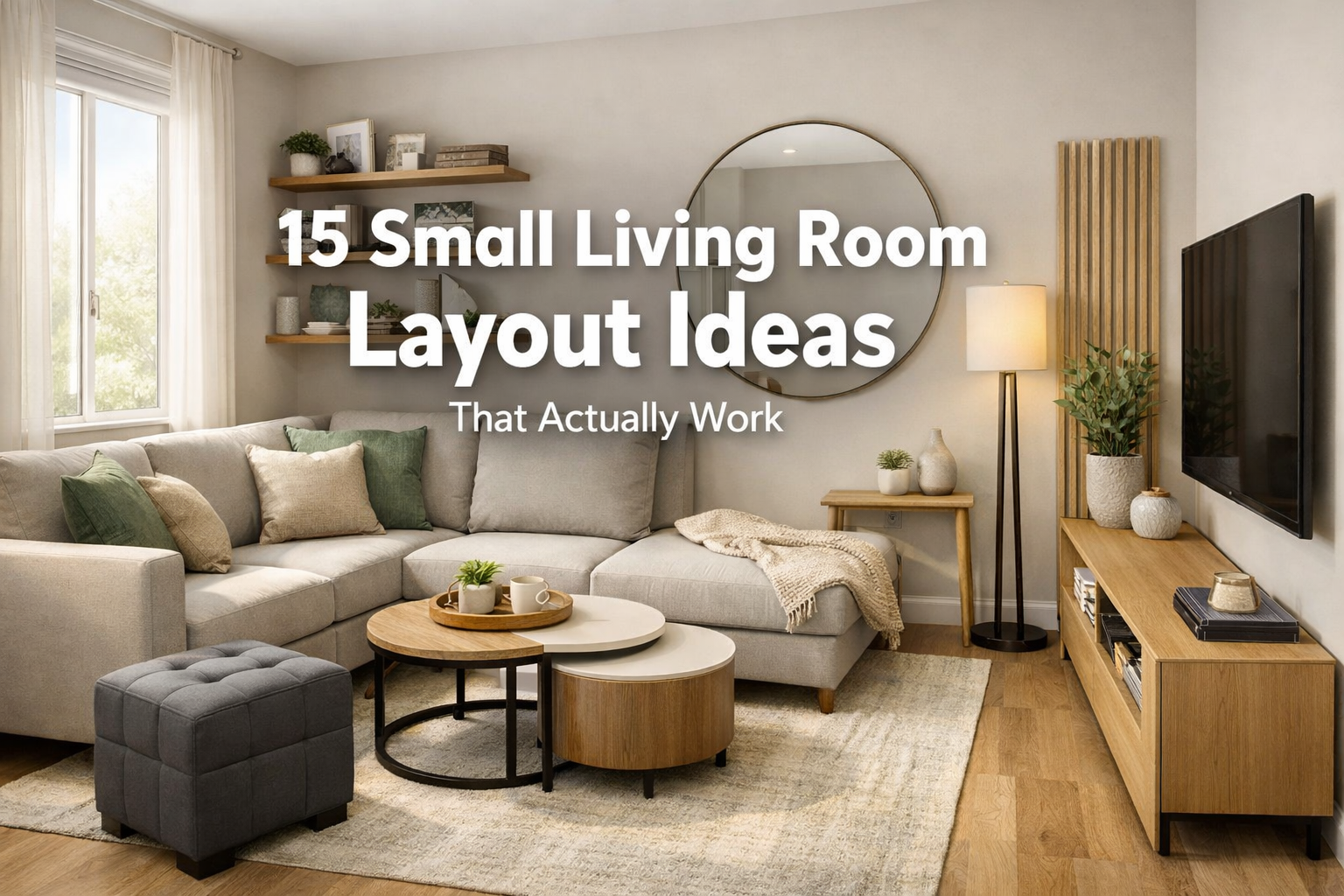
A small living room doesn’t fail because of size. It fails because of layout.
Over the years, I’ve noticed the same pattern: homeowners focus on buying “smaller” furniture instead of planning smarter placement. The result? A room that still feels tight, cluttered, and awkward.
The truth is, great small living room layout ideas are less about square footage and more about circulation, scale, and visual balance. When the layout supports movement and proportion, even compact rooms feel inviting and intentional.
Let’s break down layouts that genuinely work in real homes — not just styled showrooms.
How Do You Arrange a Small Living Room?
The most effective small living room layout ideas prioritize clear walkways, properly scaled furniture, multi-functional pieces, and strong focal points. Instead of filling every wall, the goal is to create breathing space and guide natural movement through the room.
Now let’s explore practical layout strategies you can apply immediately.
1. Pull the Sofa Off the Wall (Yes, Really)
It seems logical to push furniture against walls in tight spaces. But that often makes the room feel flatter and narrower.
Moving the sofa forward slightly:
- Creates visual depth
- Improves airflow behind furniture
- Allows space for a narrow console table
- Defines a clearer seating zone
Even a shift of 6–10 inches can make a noticeable difference in rectangular rooms.
2. Use a Compact Corner Sectional
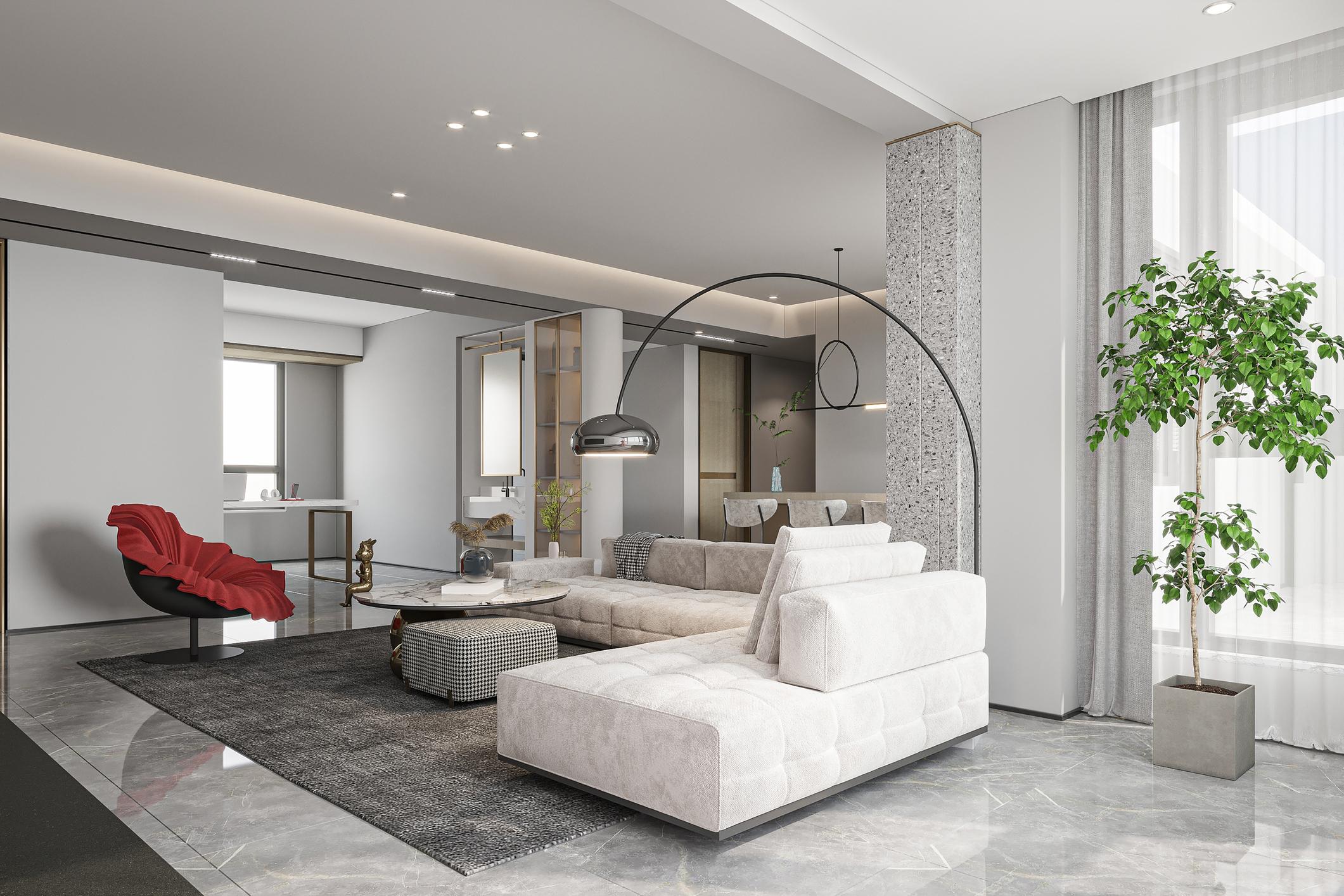
A well-proportioned L-shaped sectional can replace multiple seating pieces.
It works especially well in:
- Studio apartments
- Open-plan layouts
- Narrow living rooms
Choose designs with slim arms, exposed legs, and lighter fabrics to avoid visual heaviness.
3. Divide the Room Into Purposeful Zones
Small doesn’t mean single-purpose.
If your living room doubles as a reading corner or workspace, subtly define zones using:
- Area rugs
- Lighting changes
- Accent chairs
- Narrow shelving
This prevents the space from feeling chaotic and instead makes it feel layered and intentional.
4. Try an Angled Layout
Square rooms often feel boxy. Placing a sofa or rug at a slight angle can soften the geometry.
An angled layout:
- Adds visual movement
- Activates unused corners
- Breaks up rigid symmetry
It’s subtle — but effective.
5. Choose Furniture With a Slim Profile
Oversized arms and deep cushions eat up precious inches.
Look for:
- Track-arm sofas
- Armless loveseats
- Narrow accent chairs
- Low-profile recliners
Scale is everything in well-designed small living room layout ideas.
6. Use a Round or Oval Coffee Table
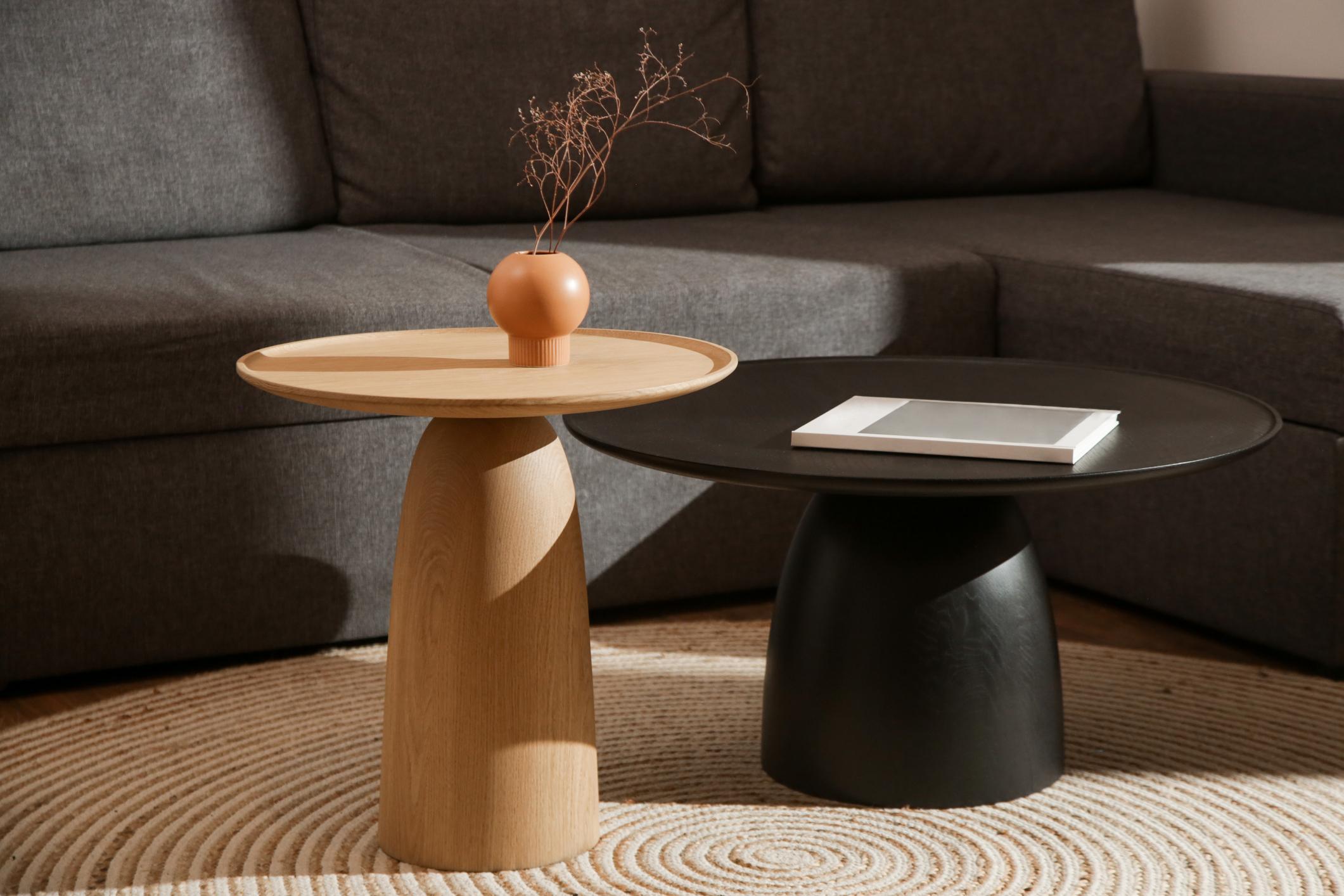
In tight layouts, corners become obstacles.
Curved coffee tables:
- Improve walkability
- Reduce sharp visual lines
- Make narrow seating arrangements safer
- Enhance flow in high-traffic spaces
Glass or light finishes help keep the room feeling airy.
7. Mount the TV to Free Floor Space
Bulky media consoles consume valuable square footage.
Wall-mounting the TV:
- Clears floor area
- Creates a clean focal point
- Allows floating storage underneath
- Keeps the layout visually lighter
In small rooms, vertical thinking often solves horizontal challenges.
8. Invest in Multi-Functional Pieces
Functionality is non-negotiable in compact homes.
Consider:
- Storage ottomans
- Nesting side tables
- Lift-top coffee tables
- Sofa beds
- Benches with hidden compartments
Every item should serve more than one purpose whenever possible.
9. Anchor the Layout With the Right Rug Size
A too-small rug visually shrinks the room even more.
For a cohesive layout:
- The rug should extend beneath the front legs of seating
- It should define the conversation area
- It should unify the furniture grouping
Proper rug scale brings order to a compact room.
10. Build Upward With Vertical Storage
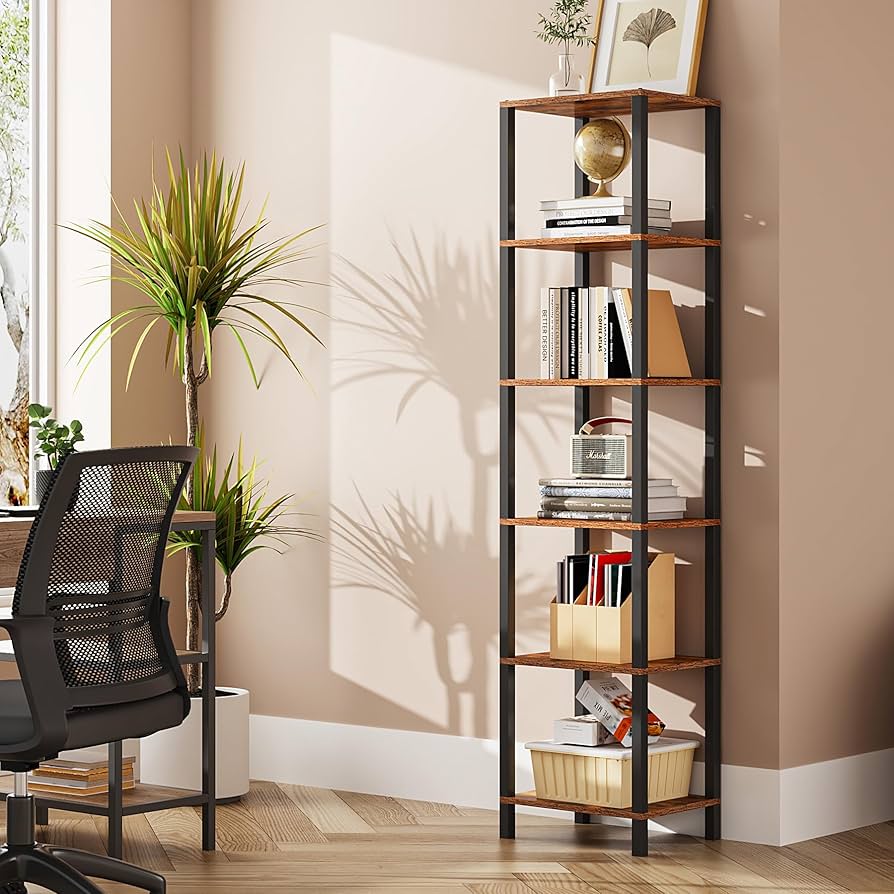
When floor space is limited, use height strategically.
Install:
- Floating shelves
- Tall, narrow bookcases
- Wall-mounted cabinets
- Vertical display units
Drawing the eye upward makes ceilings feel higher and the room feel larger.
11. Use Corners Intentionally
Corners often go unused.
Try:
- An angled reading chair
- A slim corner desk
- A tall plant in a structured planter
- A triangular shelving unit
Activating corners prevents dead space without crowding the center.
12. Replace One Sofa With Two Slim Chairs
Sometimes a full three-seater dominates the room.
Instead, try:
- A loveseat
- Two narrow accent chairs
This allows flexible seating arrangements and improves openness.
13. Design Around Natural Light
Arranging furniture toward windows enhances spaciousness.
Natural light:
- Expands visual depth
- Reduces reliance on heavy decor
- Makes small spaces feel breathable
Avoid blocking windows with tall furniture or dark curtains.
14. Protect Your Walkways (Minimum 24 Inches)
Comfort depends on movement.
Aim for:
- 24–30 inches for primary pathways
- Clear access to doors
- Unobstructed window areas
When traffic flow feels easy, the room feels larger than it actually is.
15. Use Mirrors With Strategy — Not Excess
Mirrors amplify light and depth when placed correctly.
Best placement:
- Opposite a window
- Behind a sofa
- Adjacent to a light source
Avoid cluttering walls with too many small mirrors — one large mirror is more impactful.
Common Mistakes That Ruin Small Living Room Layouts
Even the best small living room layout ideas fail when:
- Furniture is oversized for the room
- Too many decor pieces compete visually
- Lighting is treated as an afterthought
- Heavy curtains block light
- Storage isn’t integrated into the design
Small rooms demand editing. Removing one unnecessary piece often improves the layout instantly.
Pro-Level Layout Tips Designers Use
- Choose furniture with visible legs
- Keep color palettes cohesive
- Use layered lighting (ambient + task + accent)
- Avoid high-contrast patterns in tight spaces
- Leave negative space intentionally
A small living room benefits more from restraint than excess.
Final Thoughts on Small Living Room Layout Ideas
Small doesn’t mean limiting. It means intentional.
The most successful small living room layout ideas focus on proportion, circulation, and purposeful design. When furniture scale matches the room and movement feels natural, the space transforms from cramped to curated.
Before buying anything new, rearrange what you already have. Shift the sofa. Adjust the rug. Clear a pathway. Sometimes, better layout, not bigger furniture is the real upgrade.
What layout works best for a very small living room?
A compact sectional or loveseat paired with slim chairs and wall-mounted storage often creates the best balance.
Should furniture always touch the walls?
Not necessarily. Slightly floating furniture can add depth and improve visual flow.
How do I make my small living room look wider?
Use mirrors, maintain clear walkways, keep window areas open, and choose furniture with exposed legs.
Is it better to use light or dark colors in small spaces?
Light colors generally reflect more light and enhance openness, but contrast can work if used strategically.